Process
How it works
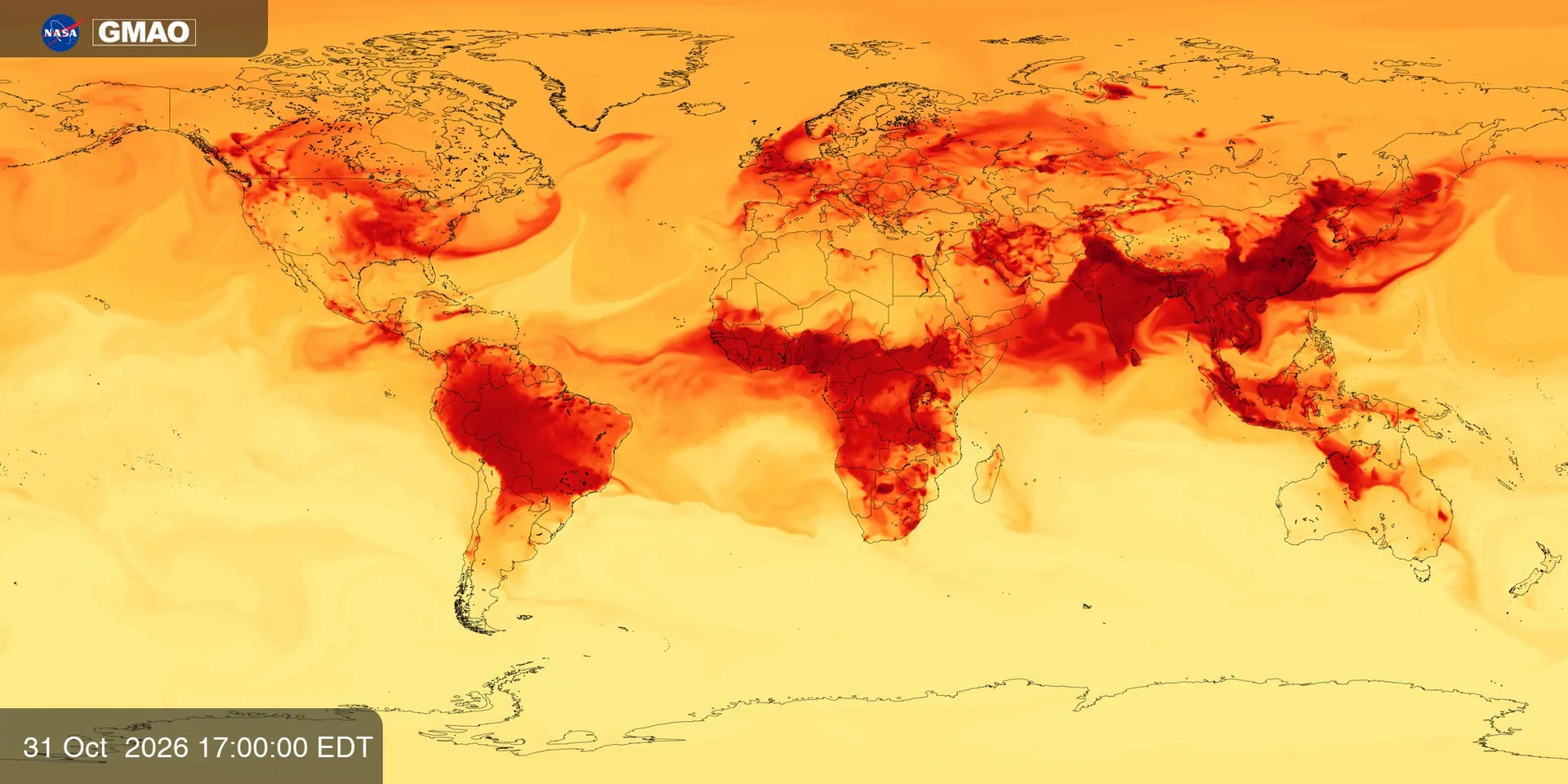
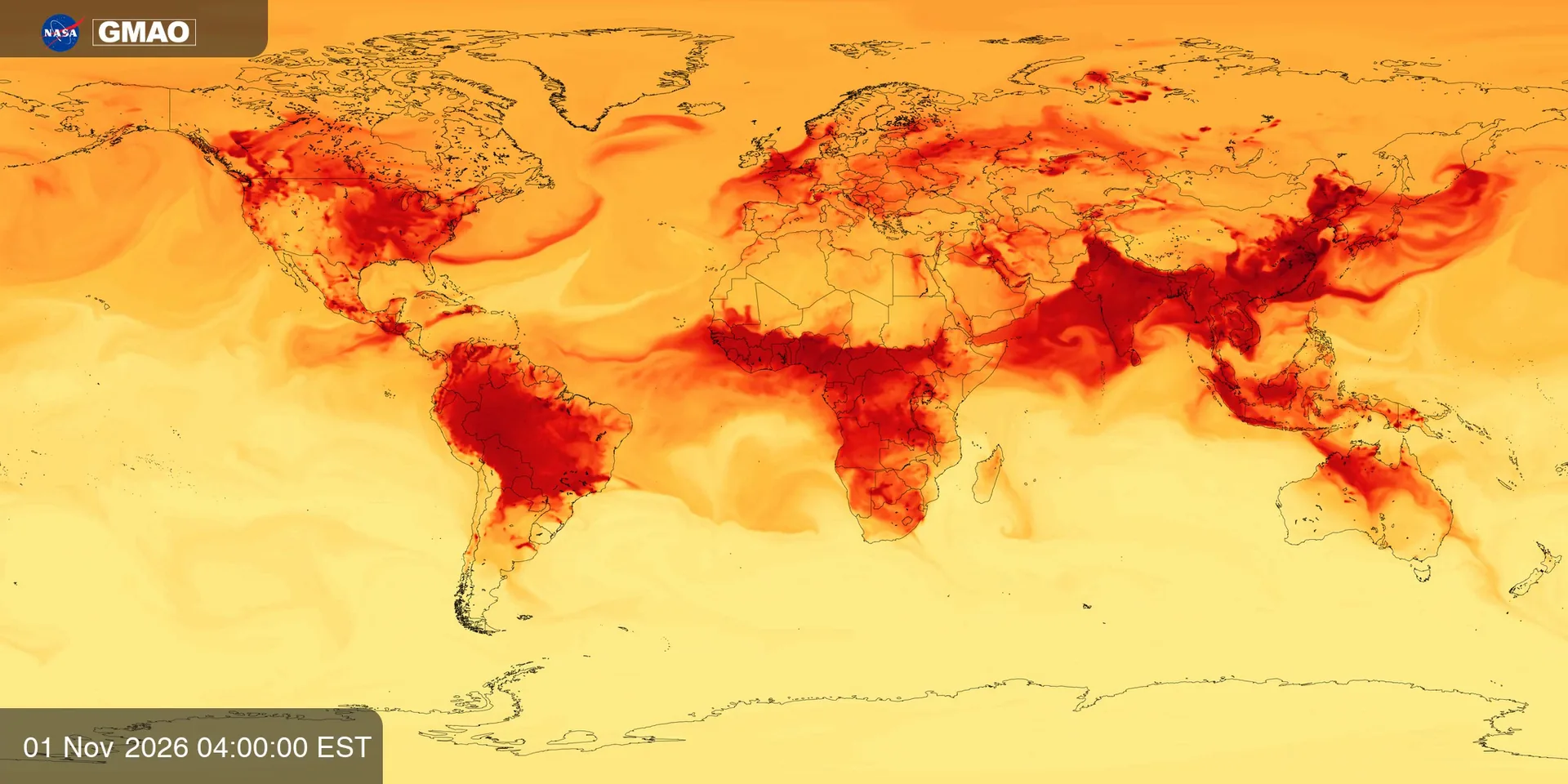
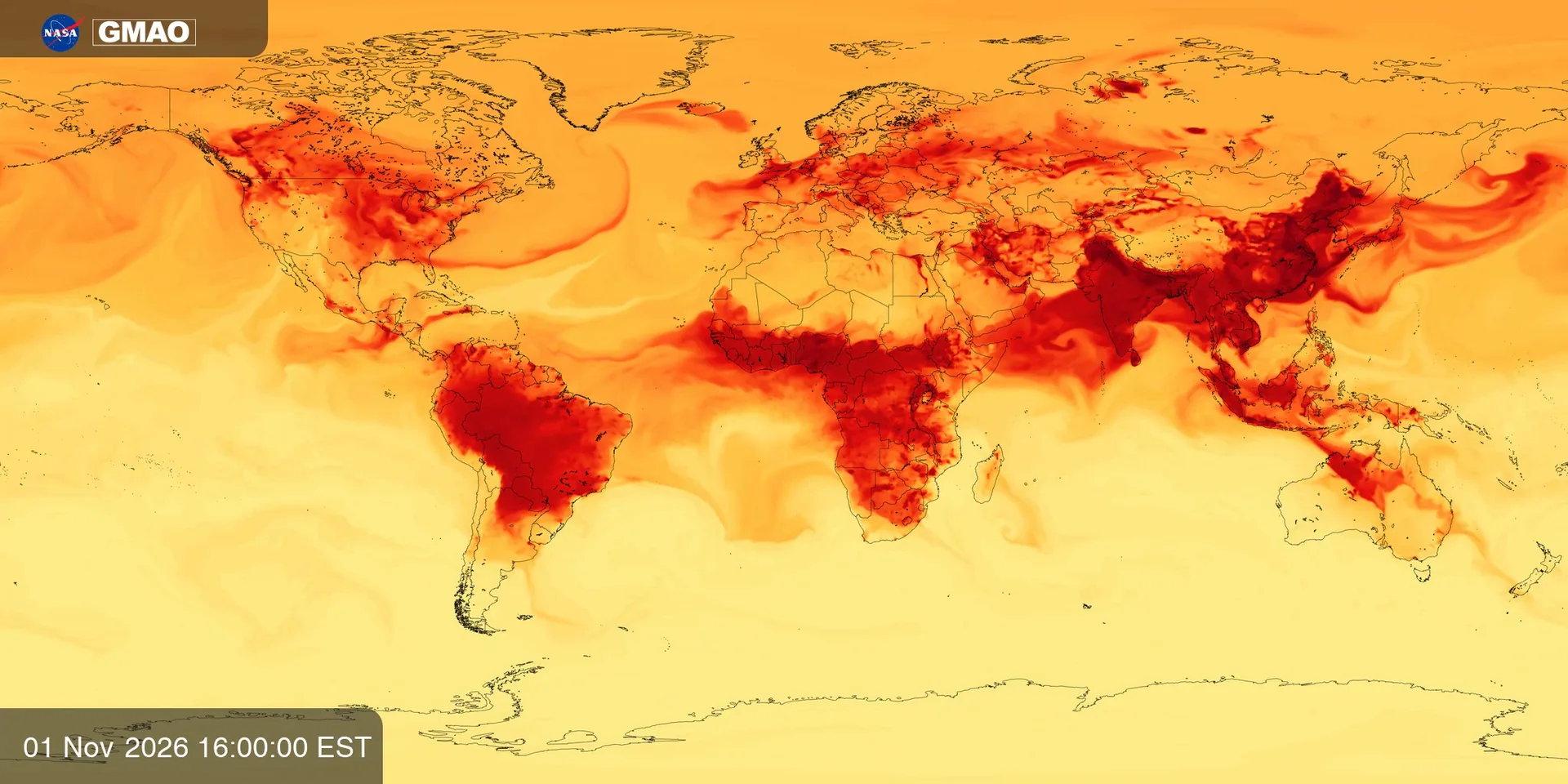
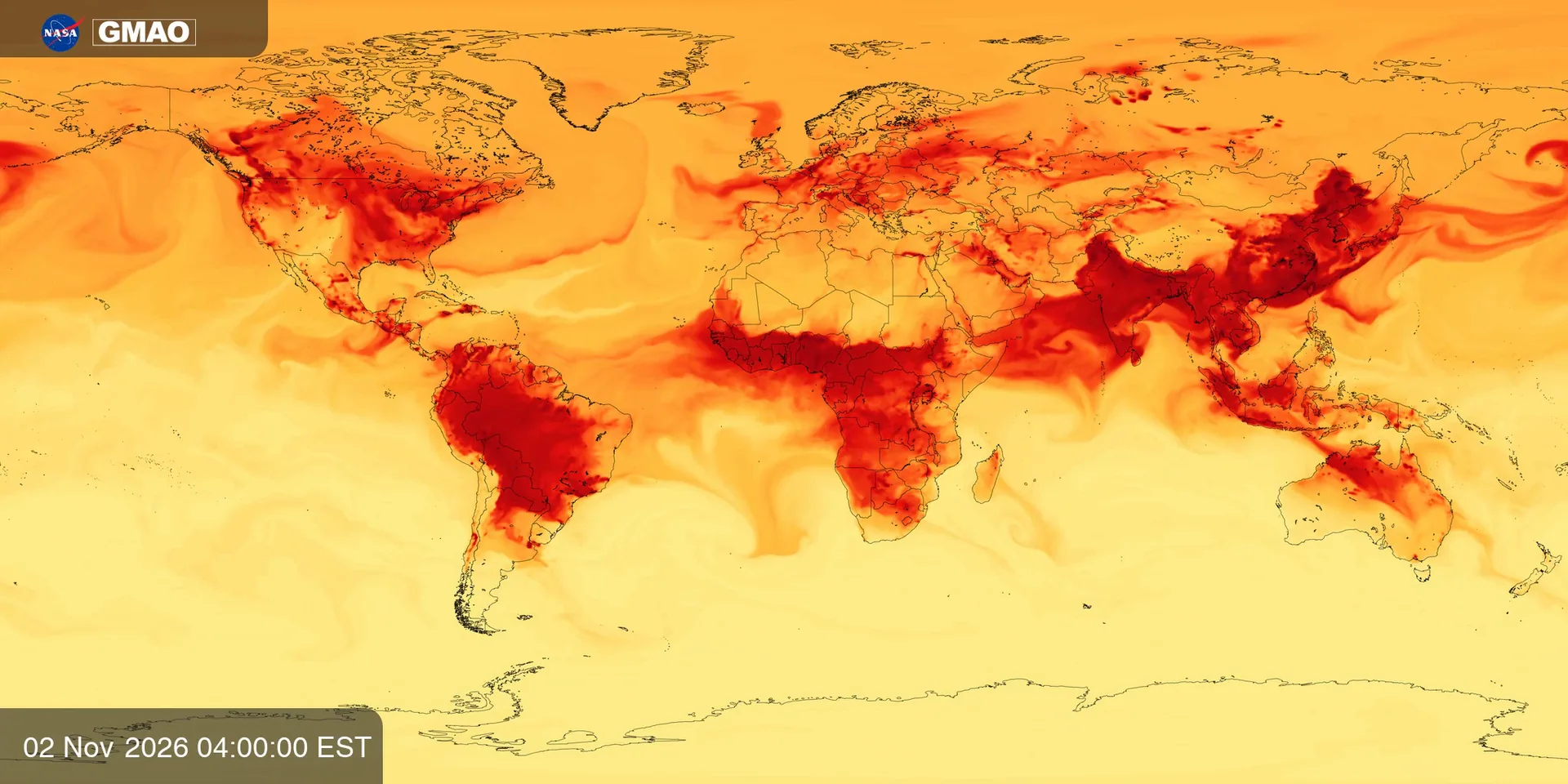
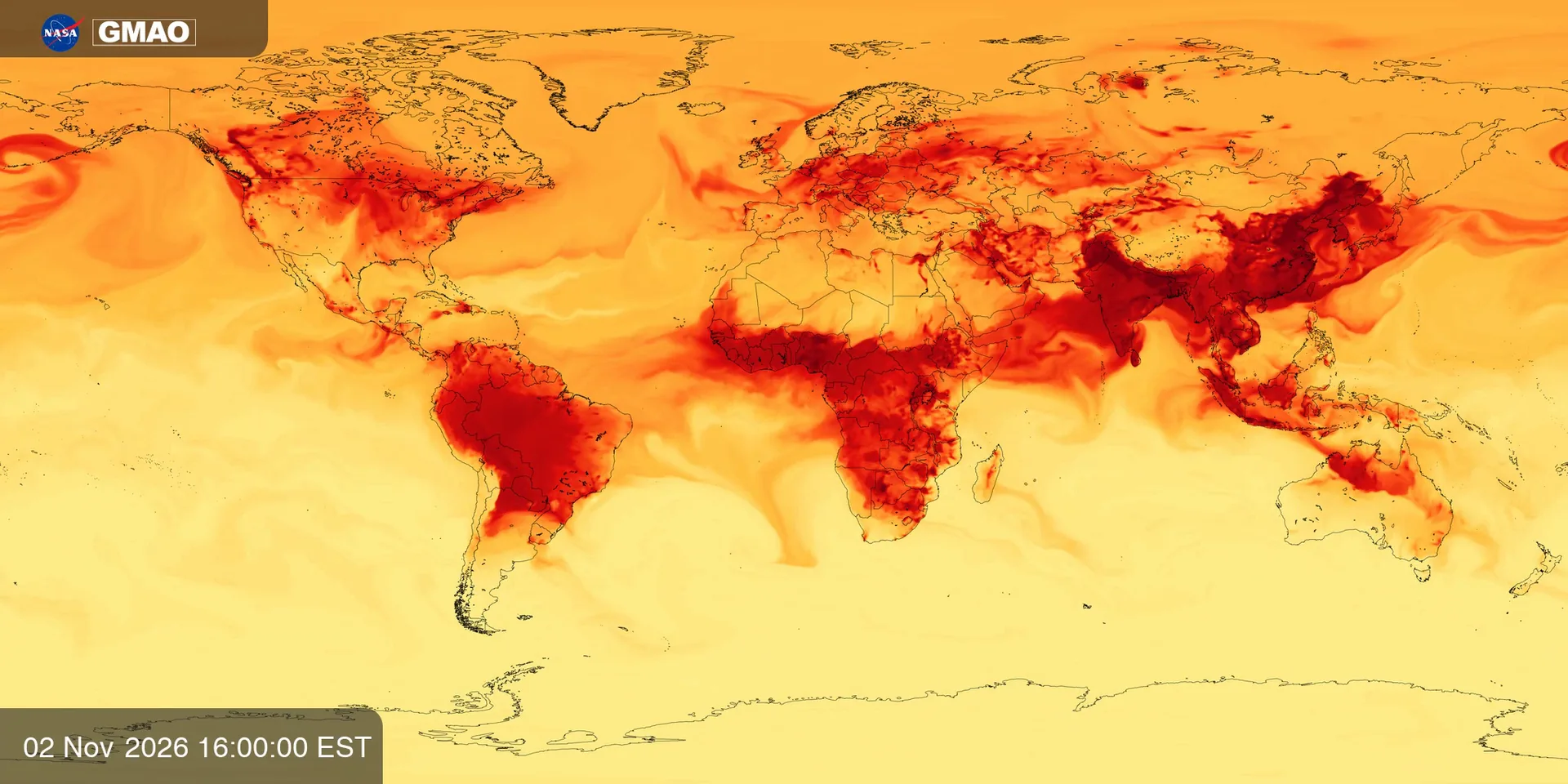
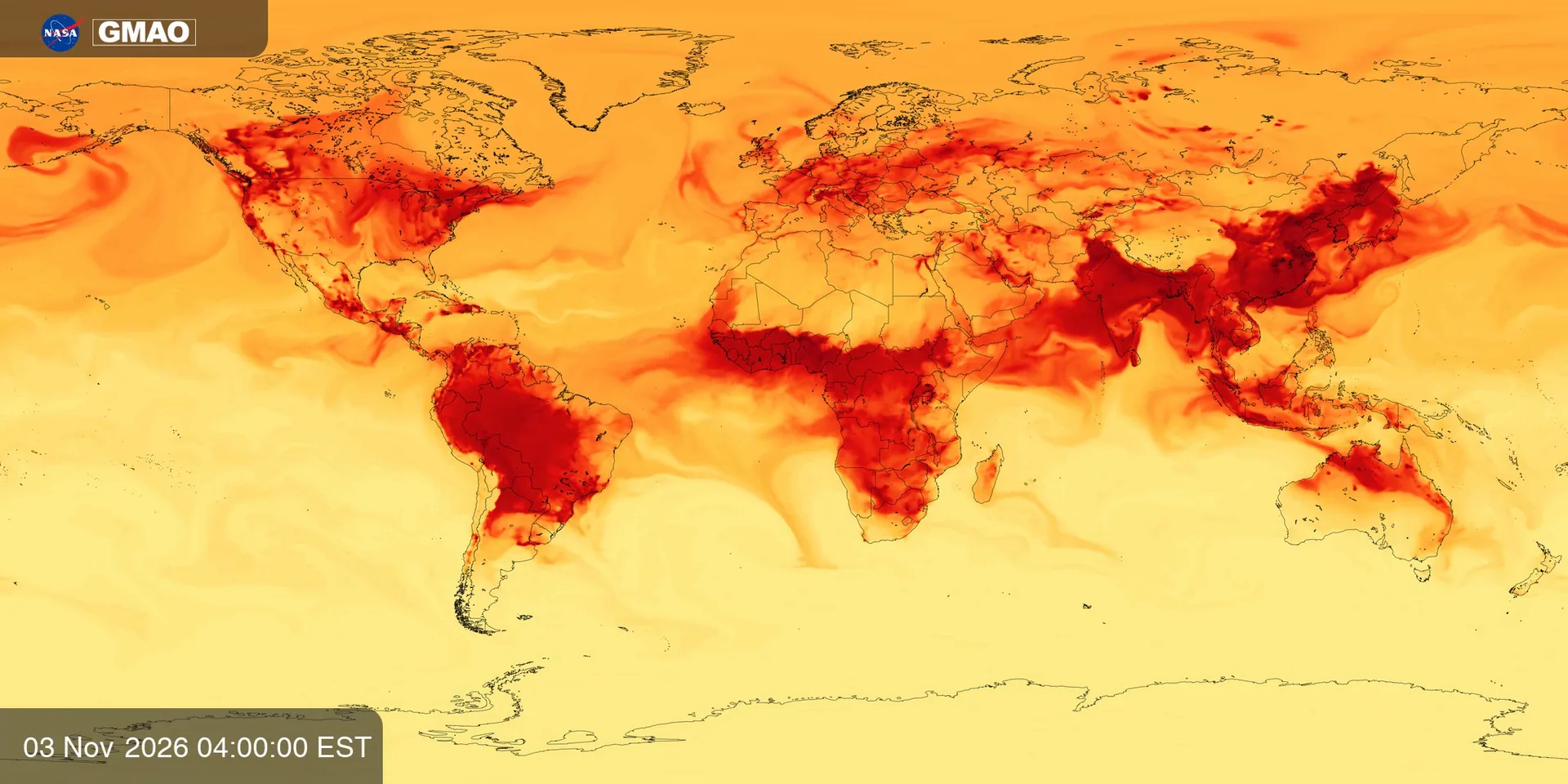
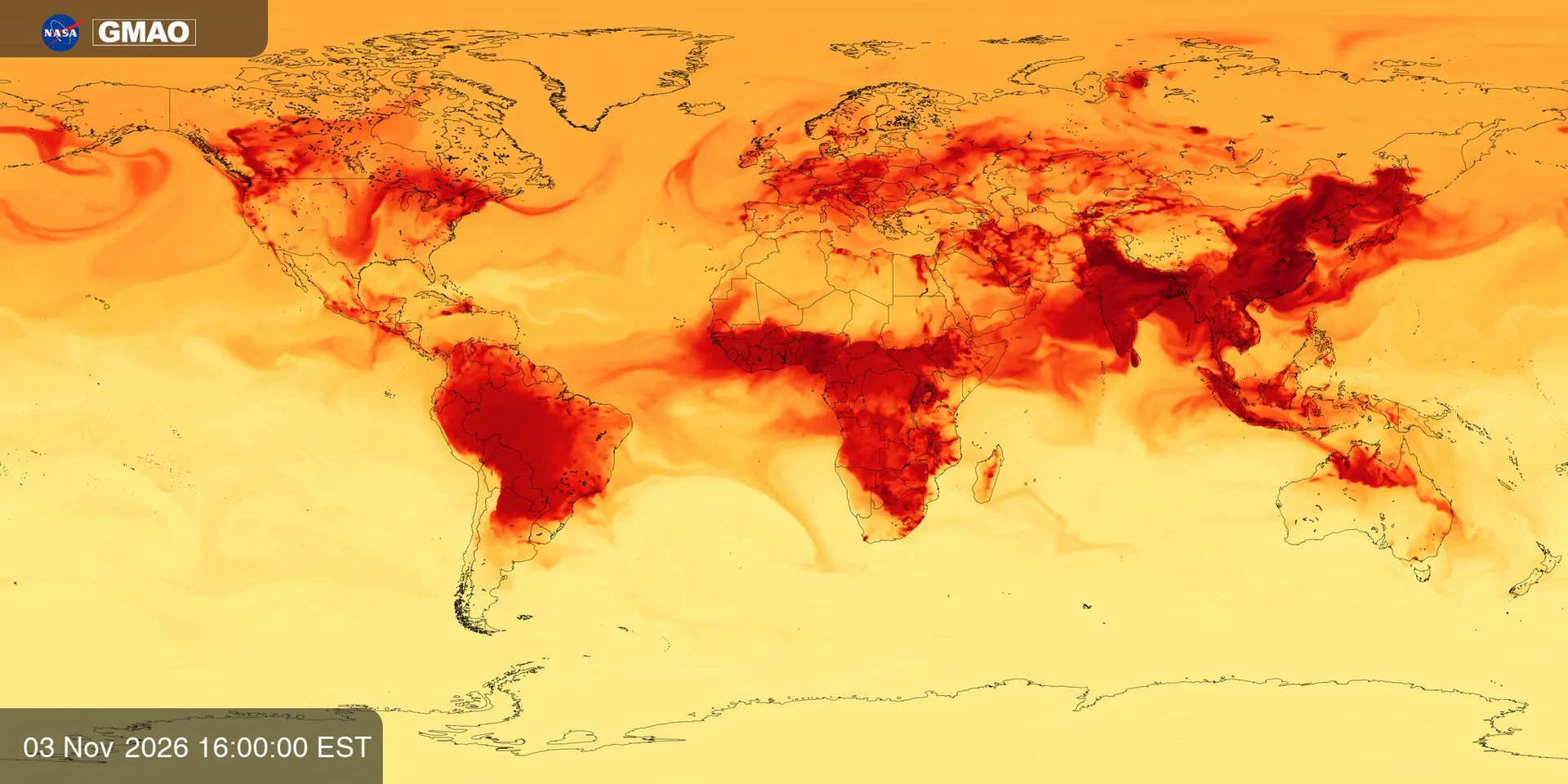
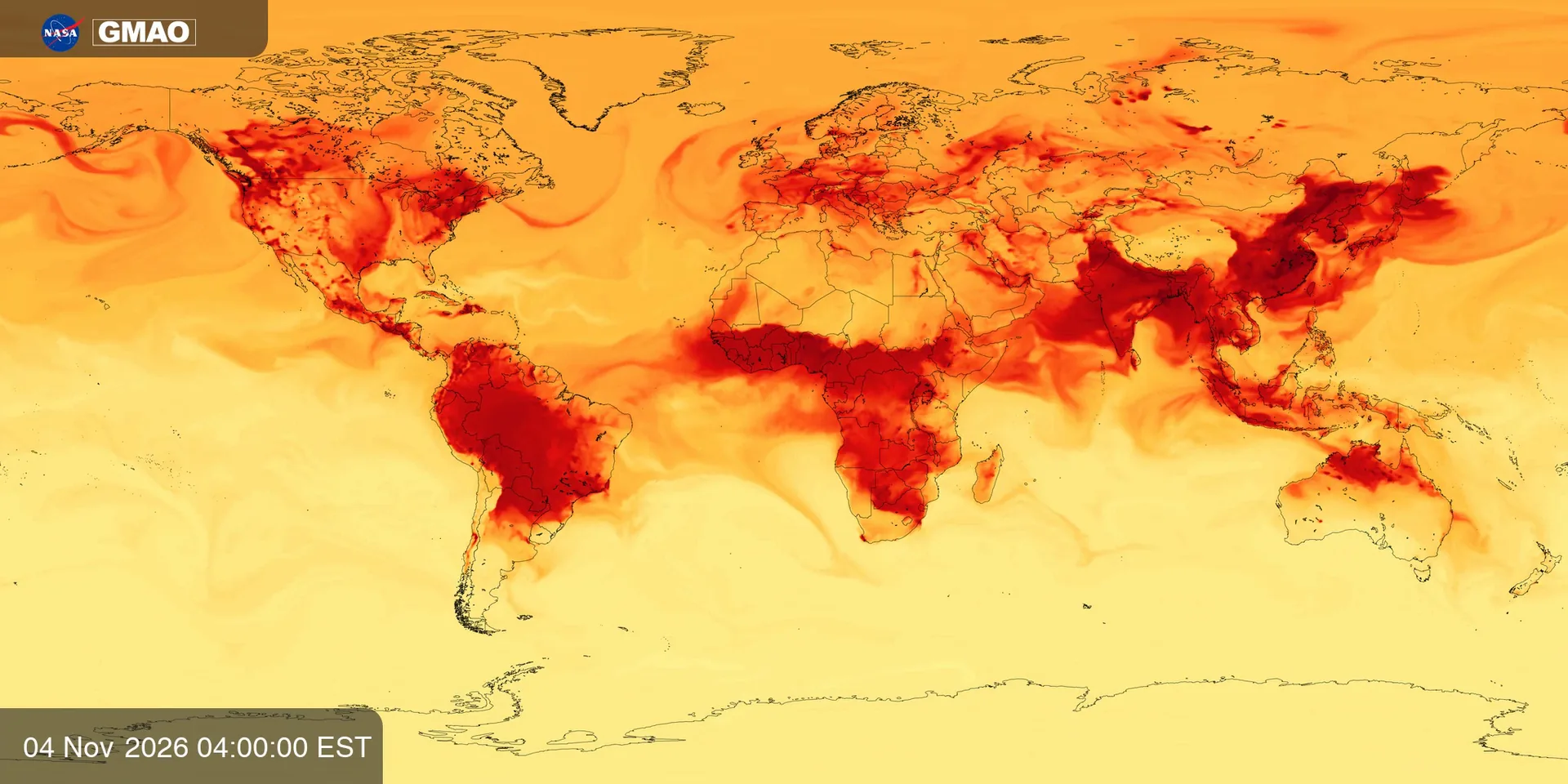
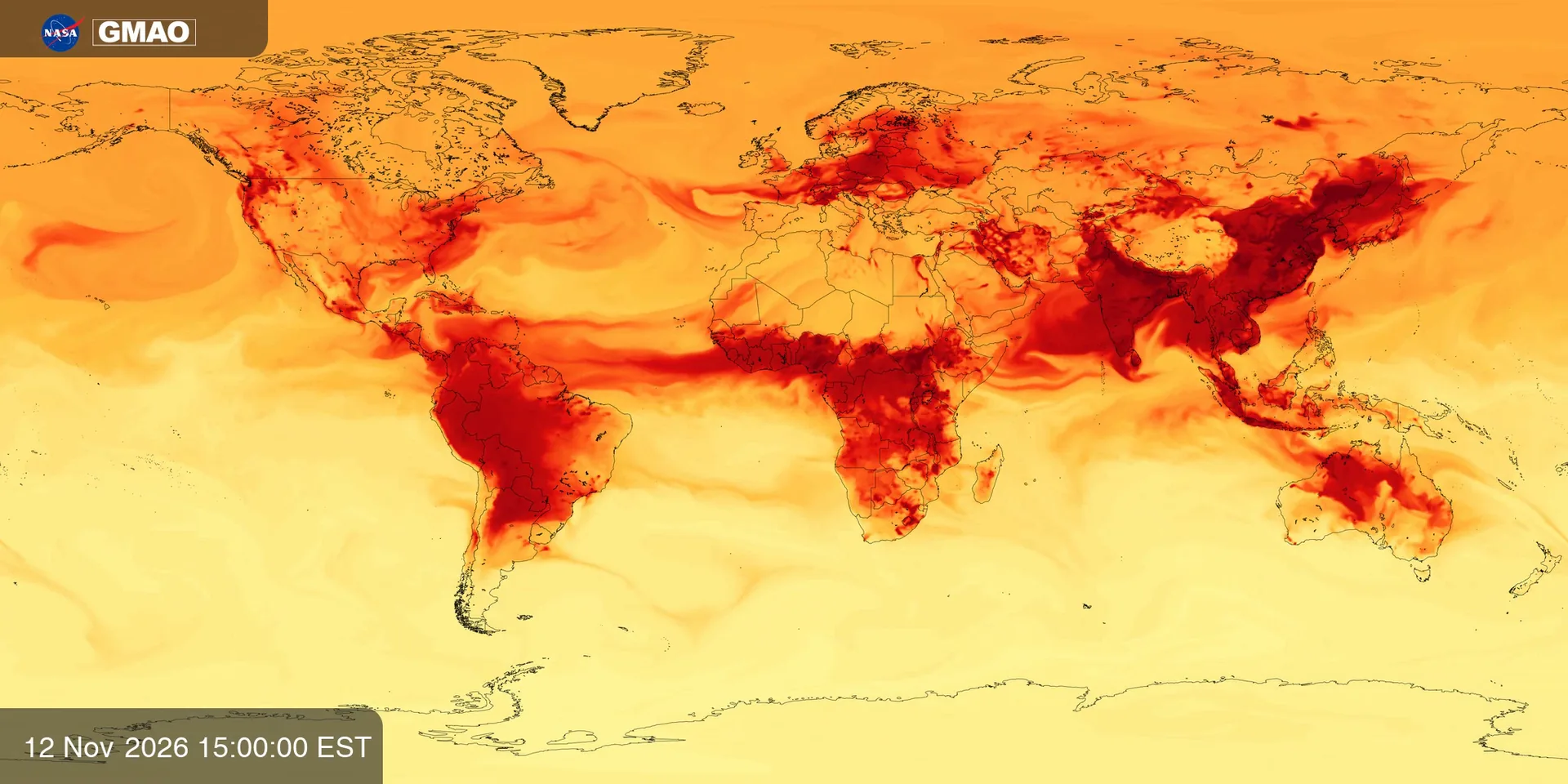
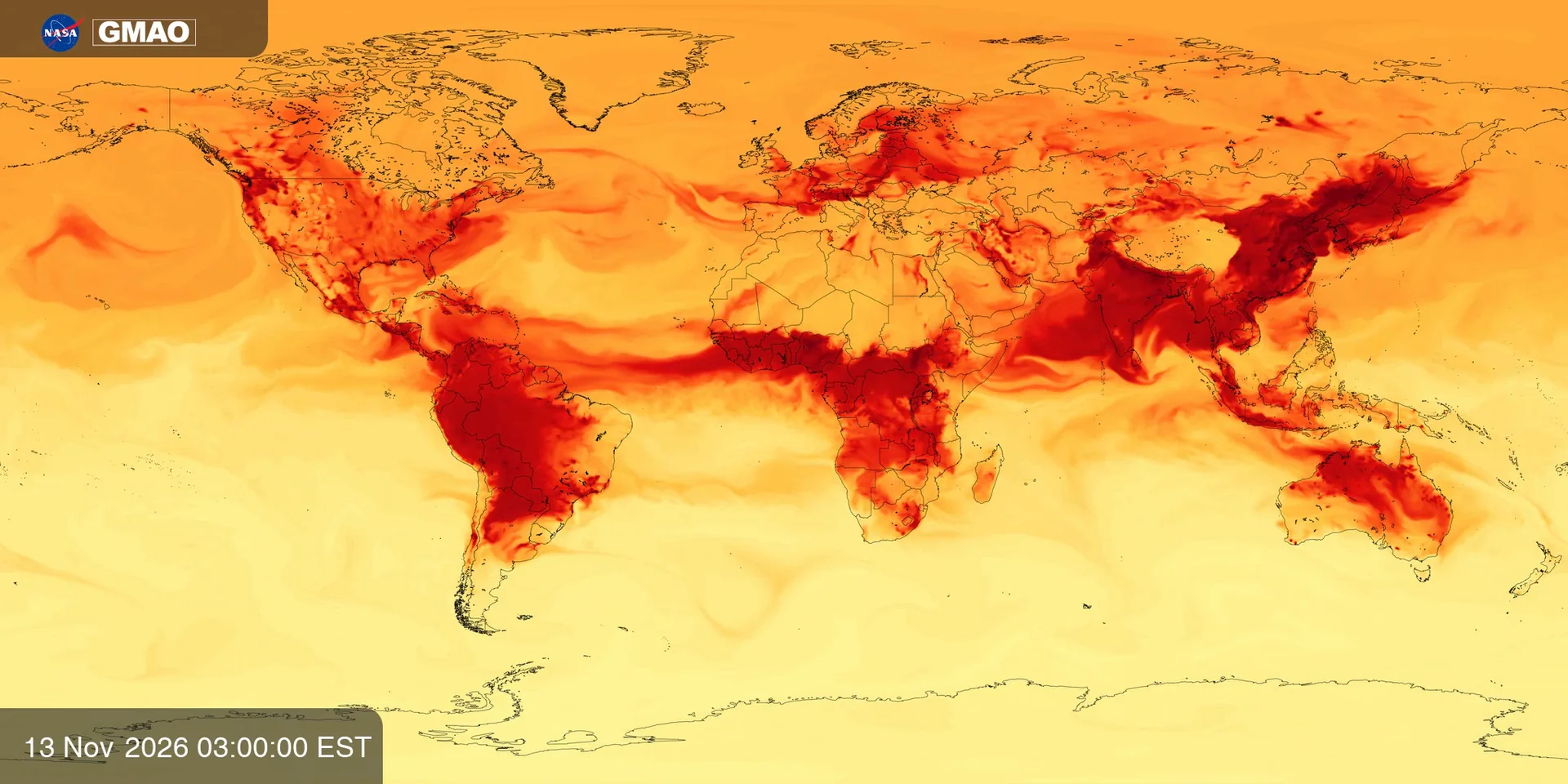
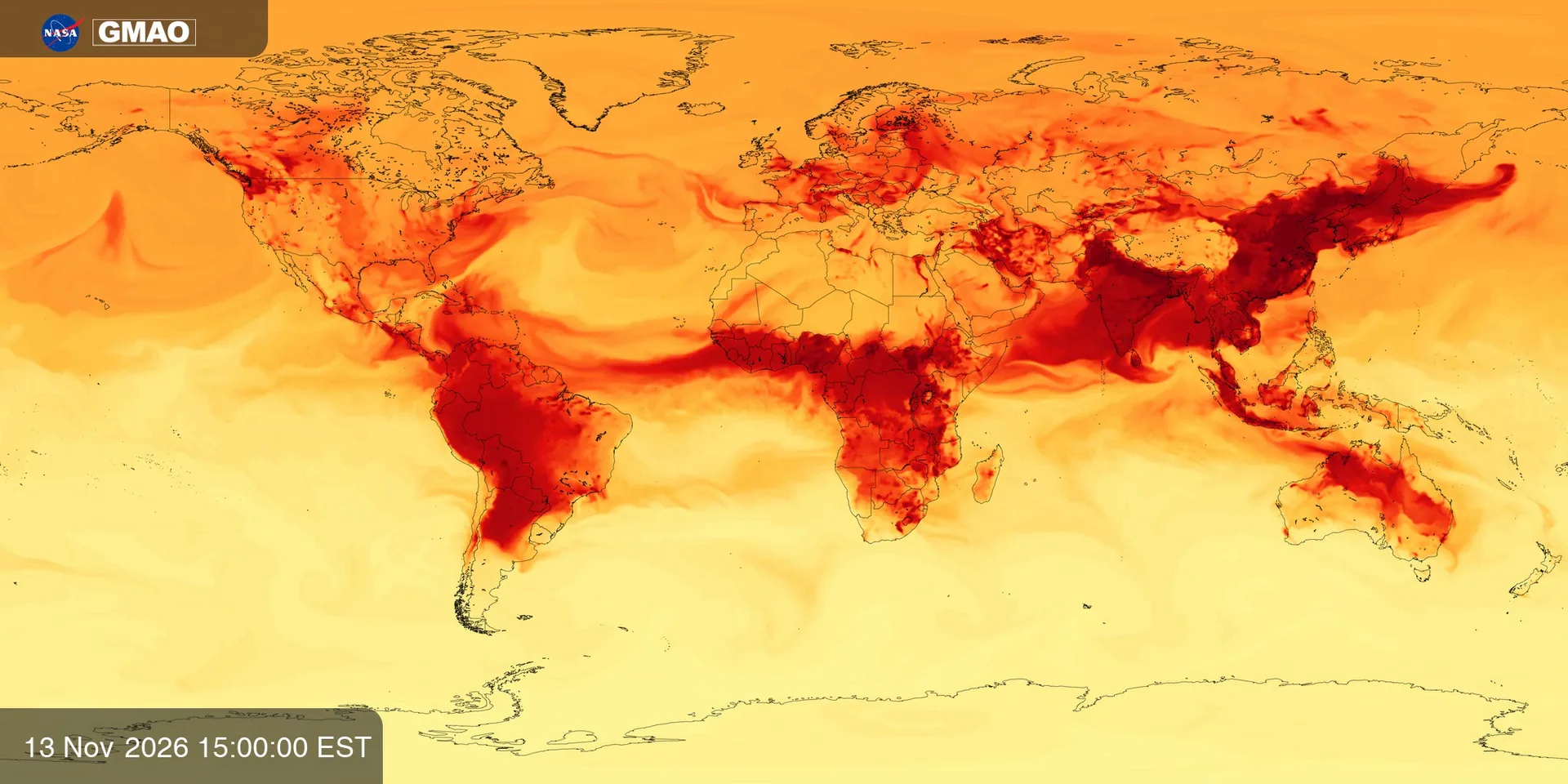
Every note you hear was measured from a NASA image. Nothing is pre-recorded for a dataset: our engine reads the colors of each frame, turns them into numbers, and the numbers play the music. Try every step below with real data.
Read every pixel
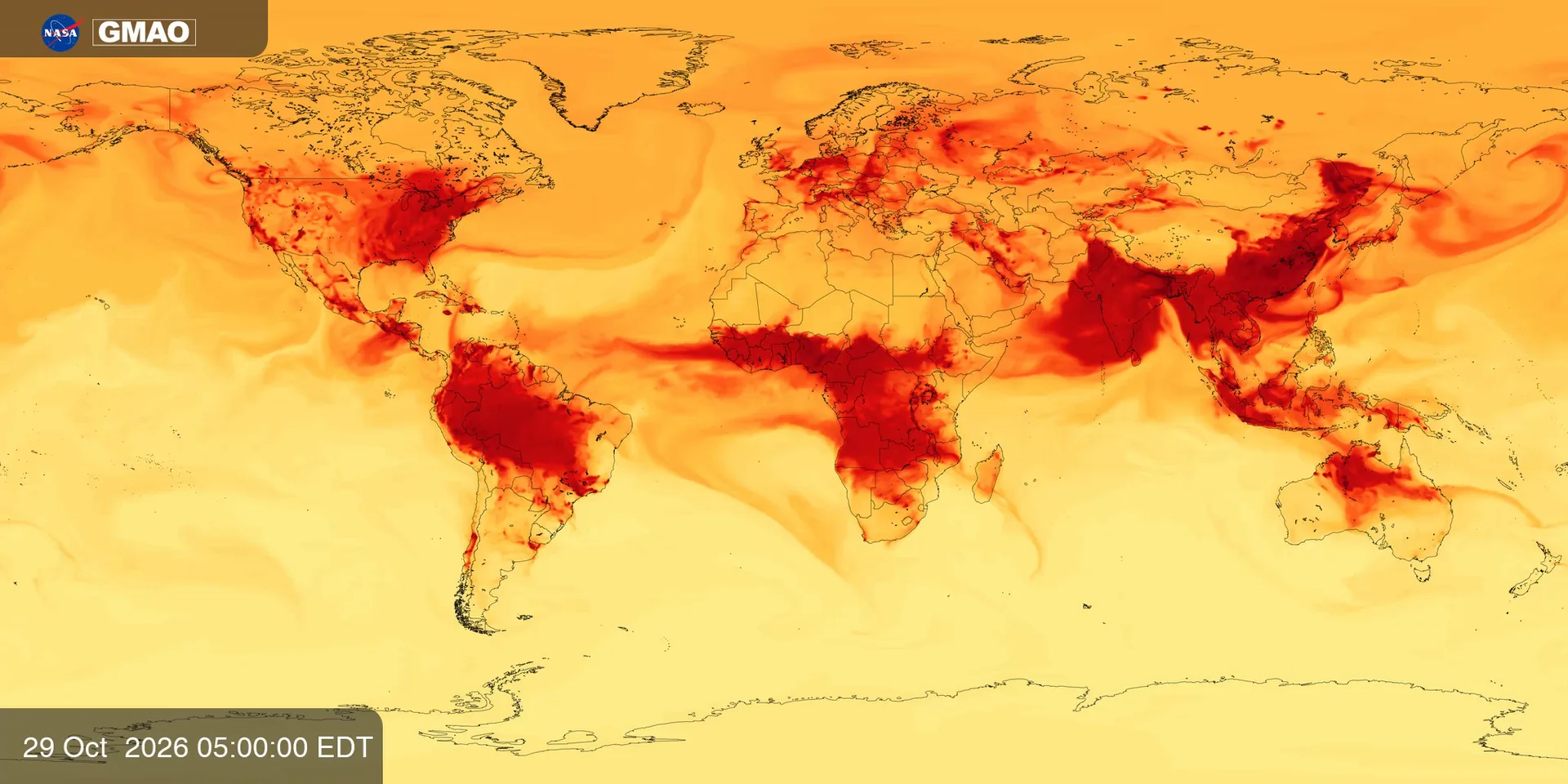
NASA paints its data with a color scale. The engine looks up the color of every pixel in the official color bar and gets back the physical value. Logos and dates are ignored, and so is anything that isn't on the scale, like land, coastlines or text.
Under the probe
Loading the color table…
Every dataset has its own band
The rules are the same for every dataset; the sounds are not. Humidity, rain, temperature and vegetation sound like nature. The others play an instrument with a texture that grows with the data. Press a card to hear it.
Nature
Humidity
harp
Rumble, waves, wind and rain that grow with the data, with a harp melody and glockenspiel bells.
Nature
Rain and clouds
harp
Rumble, waves, wind and rain that grow with the data, with a harp melody and glockenspiel bells.
Nature
Rain (IMERG)
harp
Rumble, waves, wind and rain that grow with the data, with a harp melody and glockenspiel bells.
Nature
Air temperature
harp
Rumble, waves, wind and rain that grow with the data, with a harp melody and glockenspiel bells.
Nature
Vegetation
harp
Rumble, waves, wind and rain that grow with the data, with a harp melody and glockenspiel bells.
Instrument
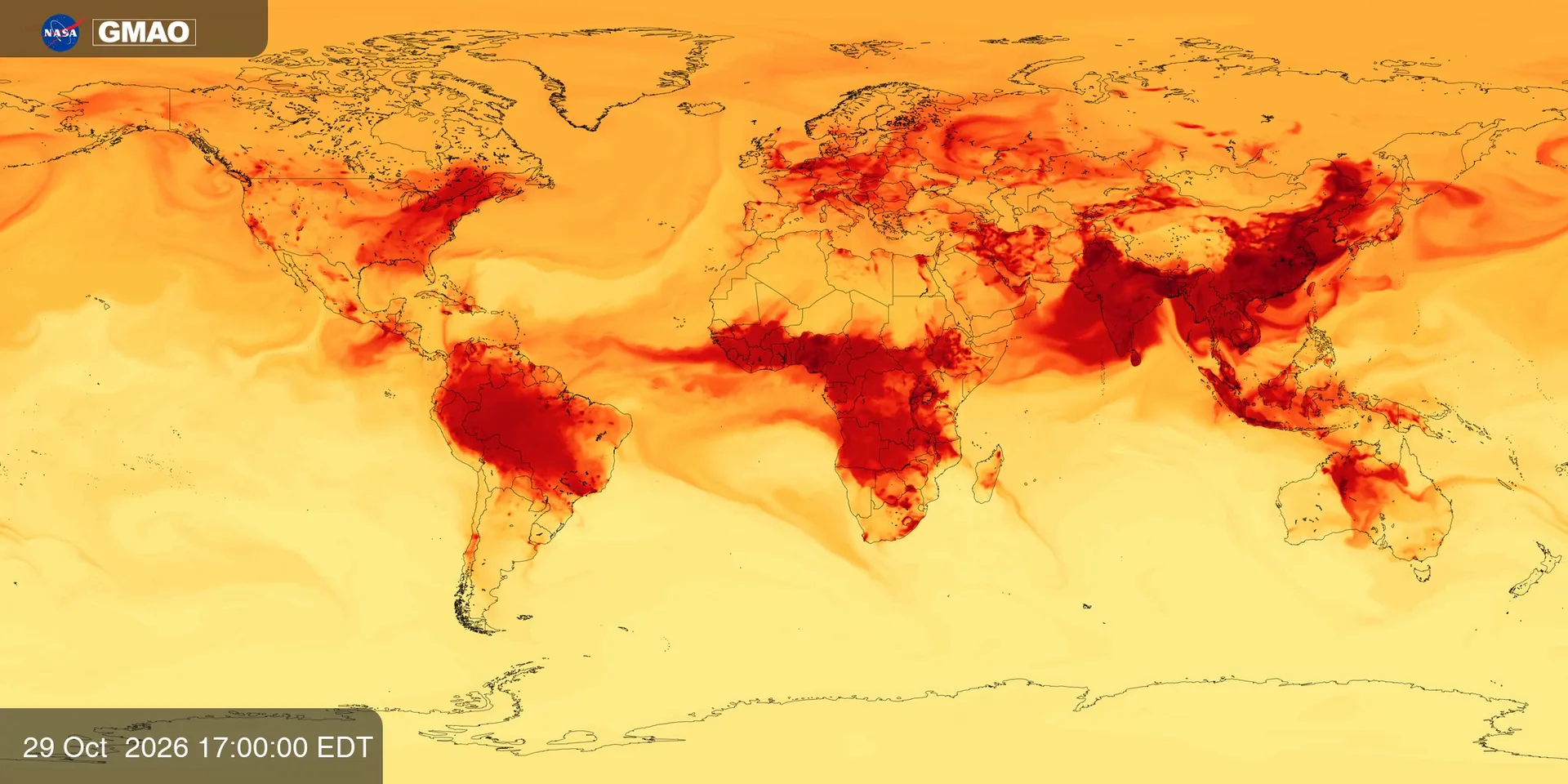
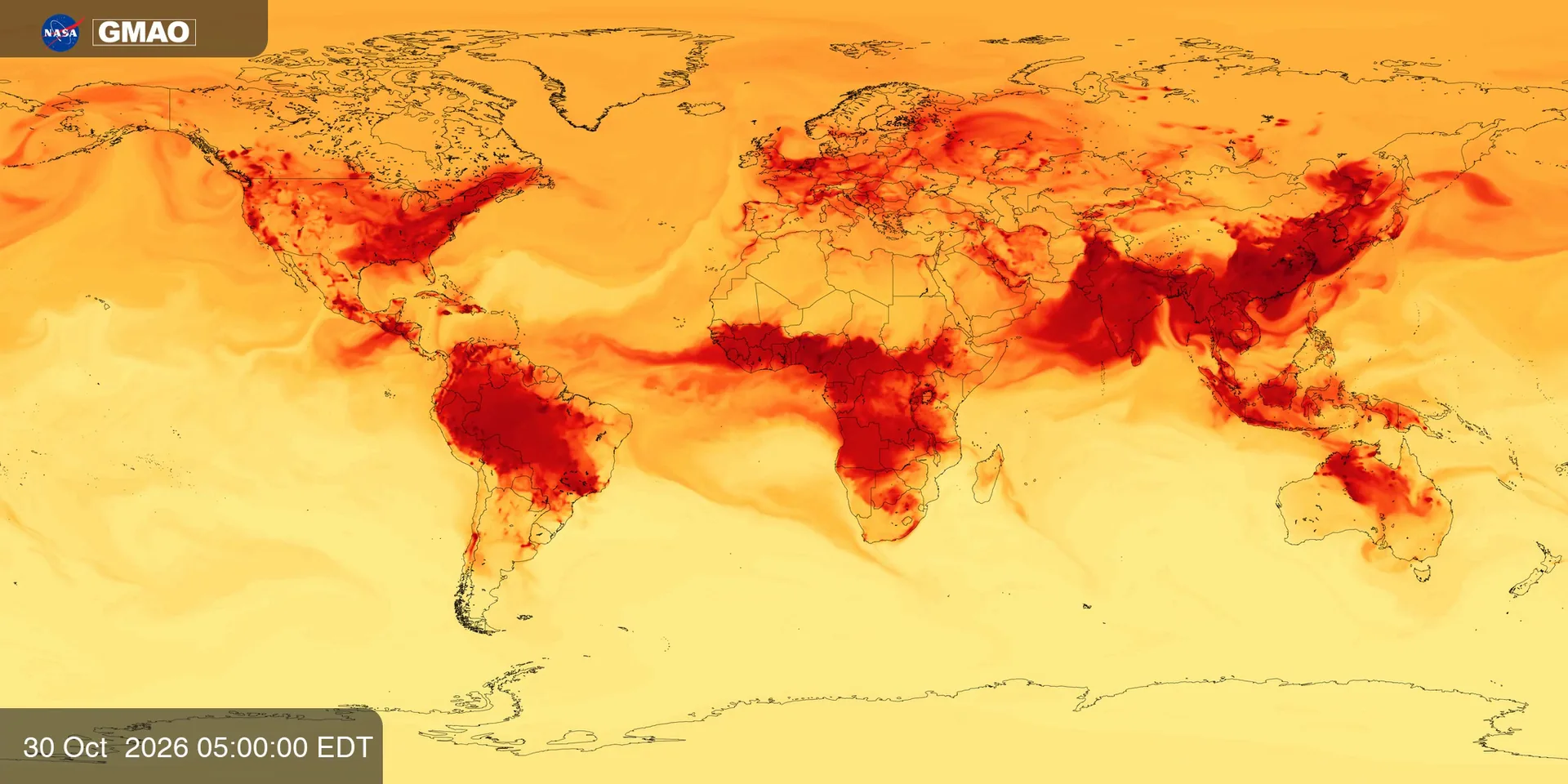
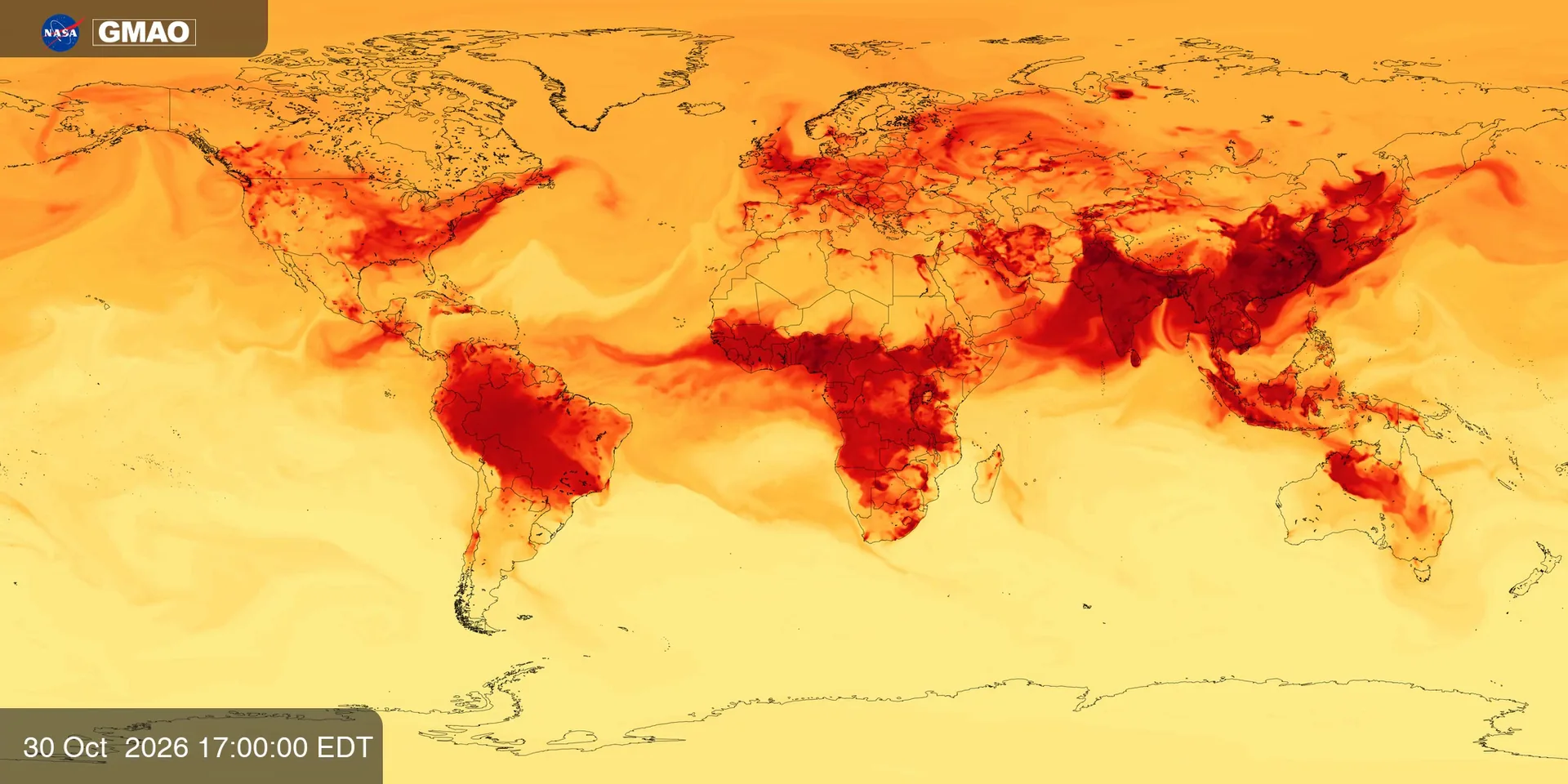
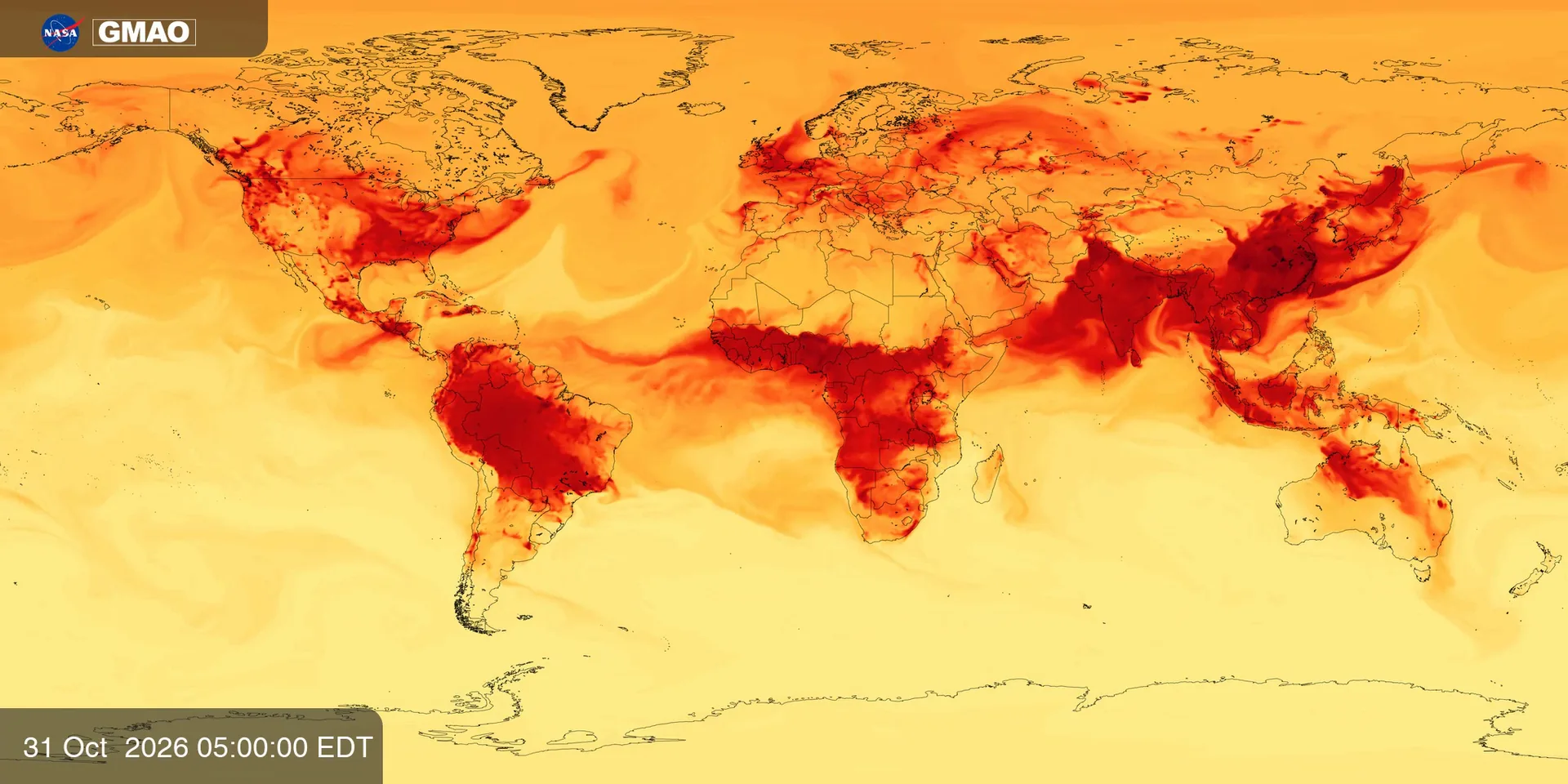
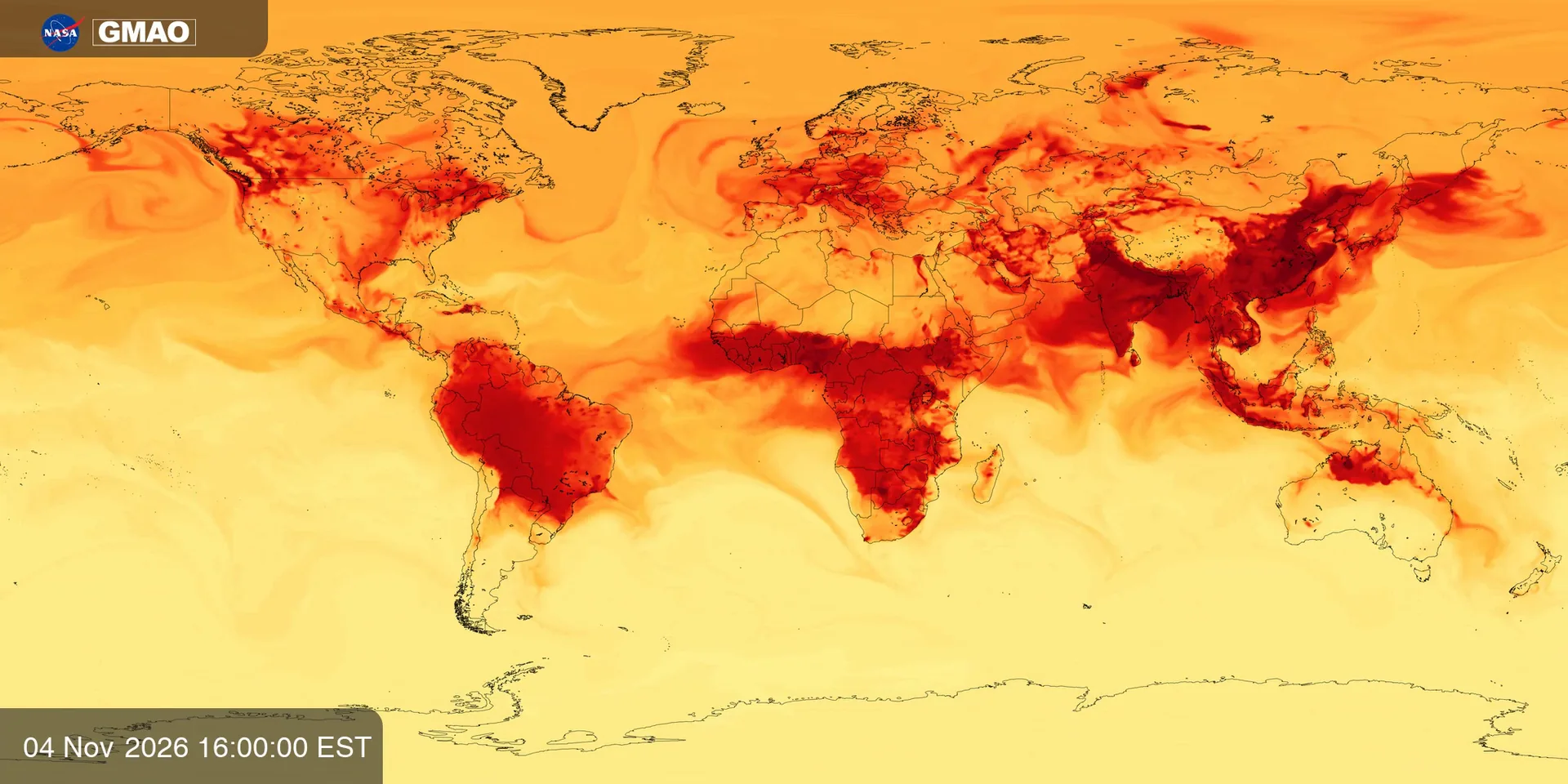
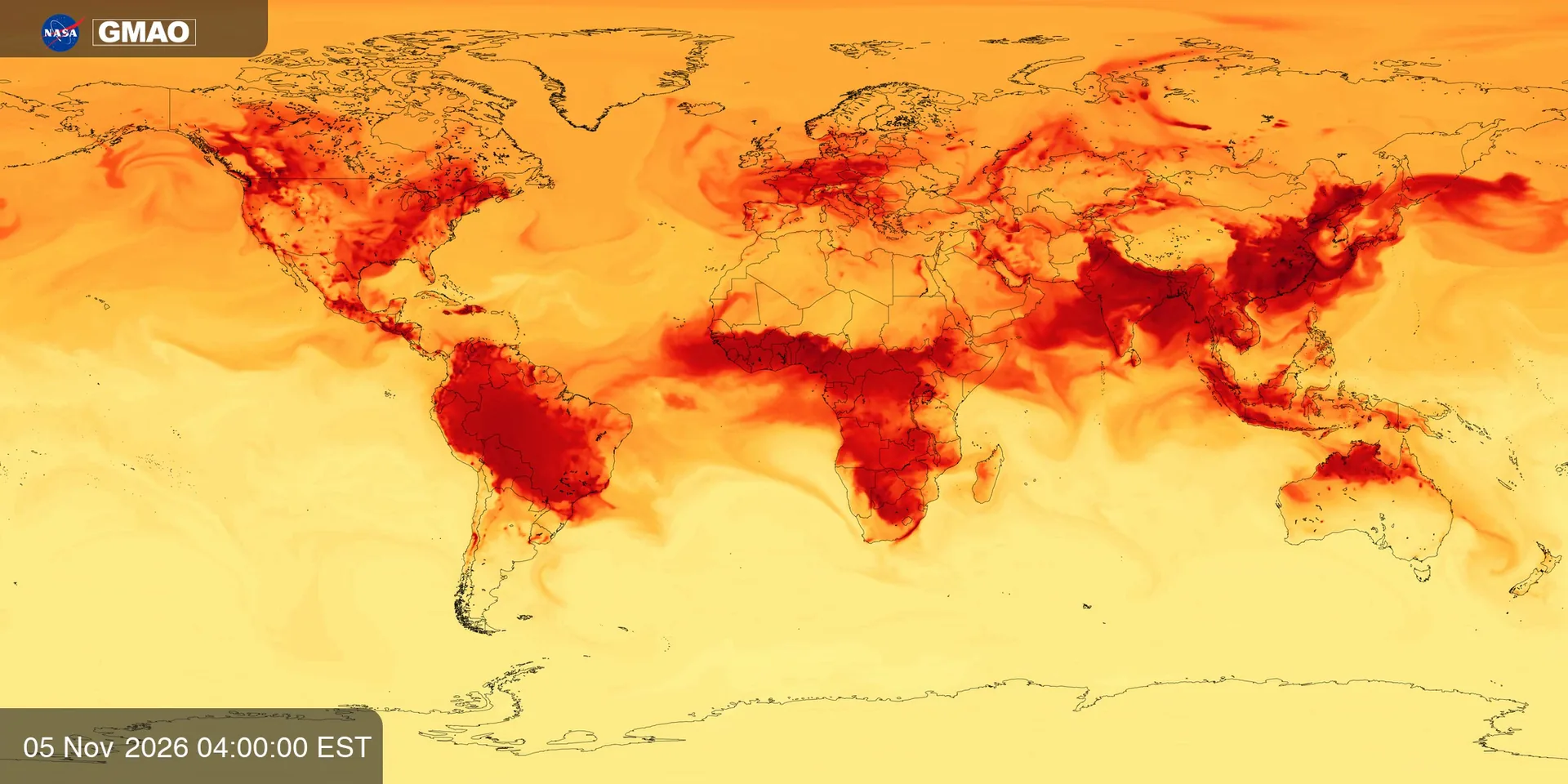
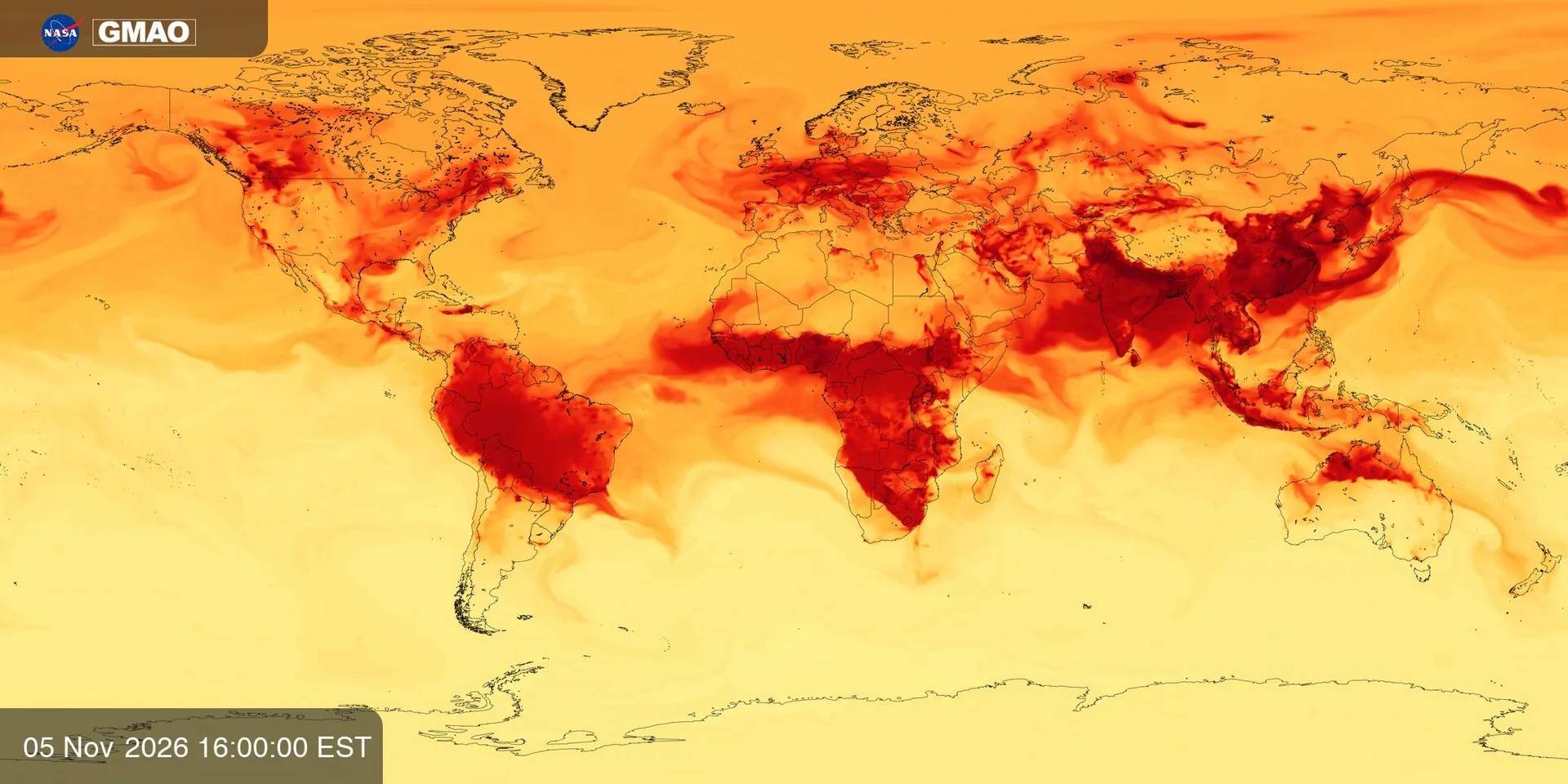
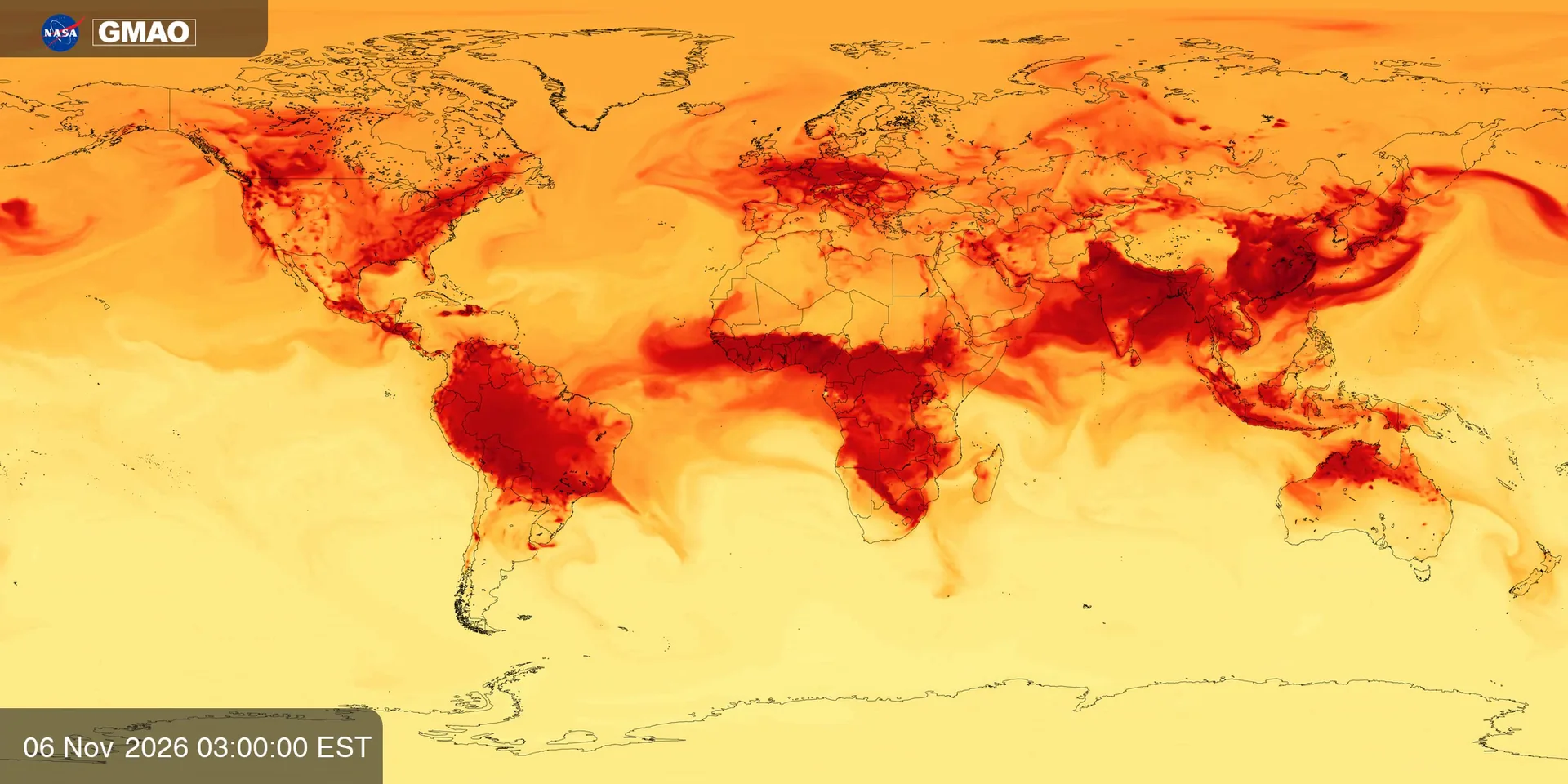
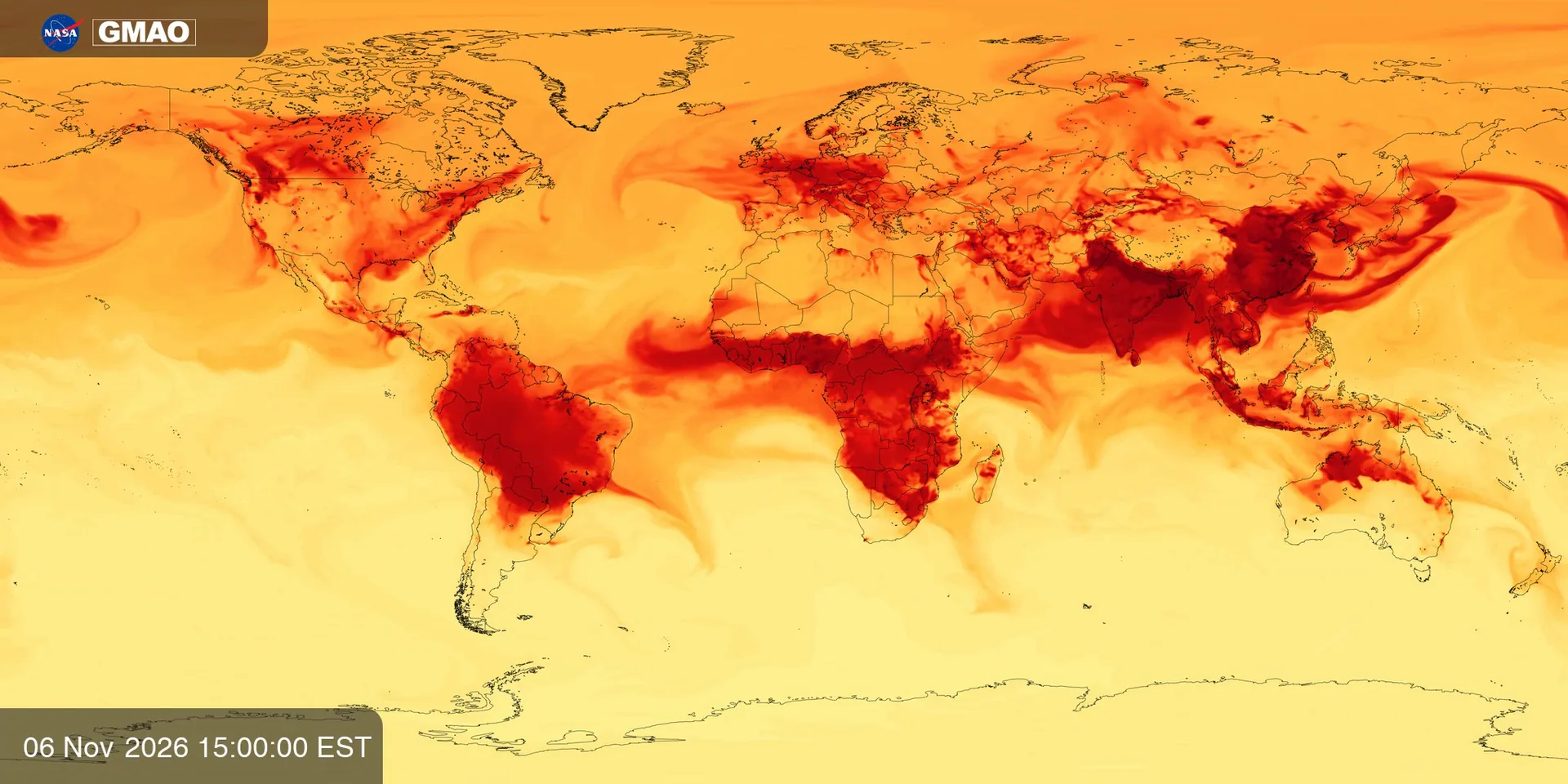
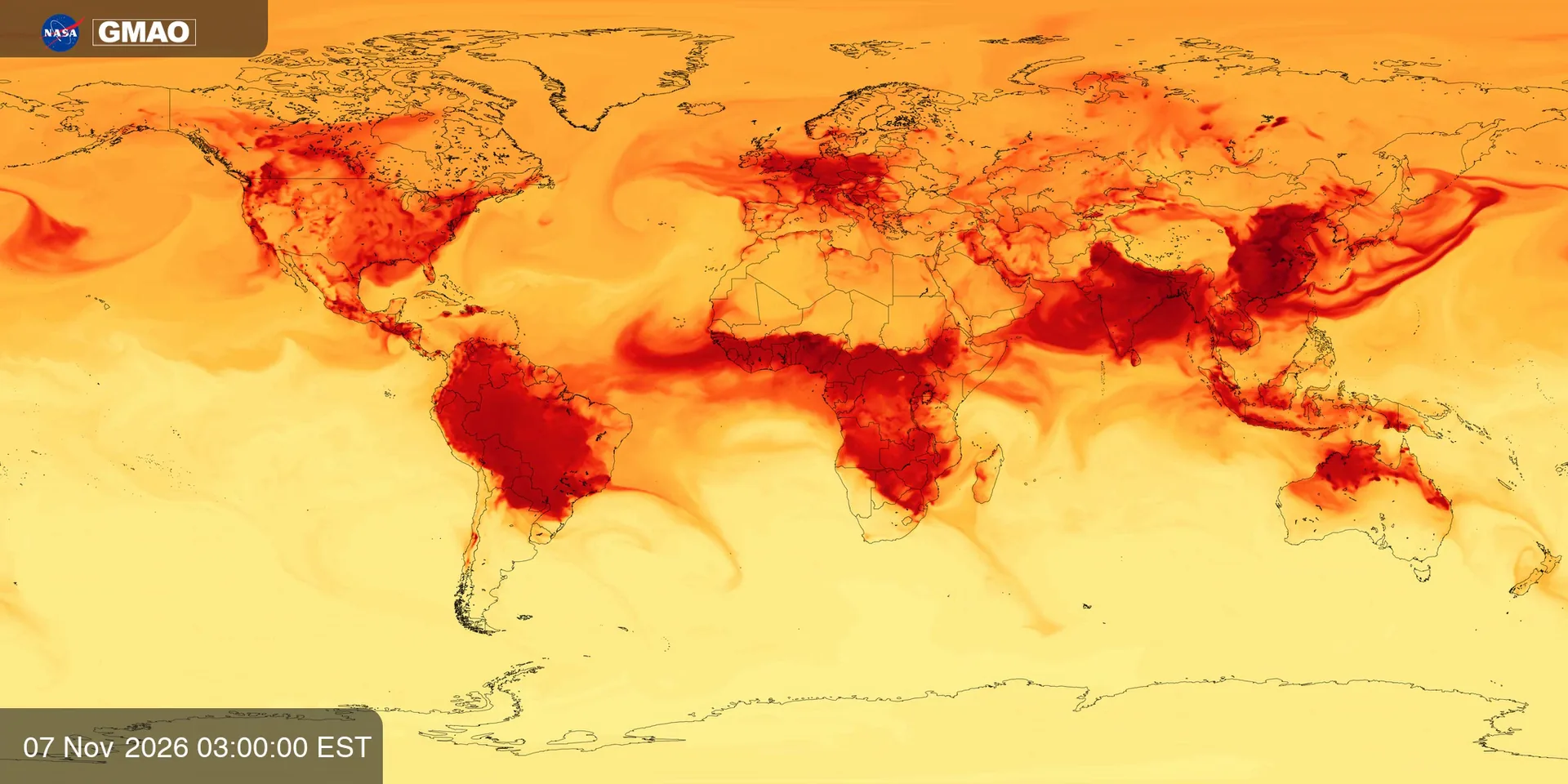
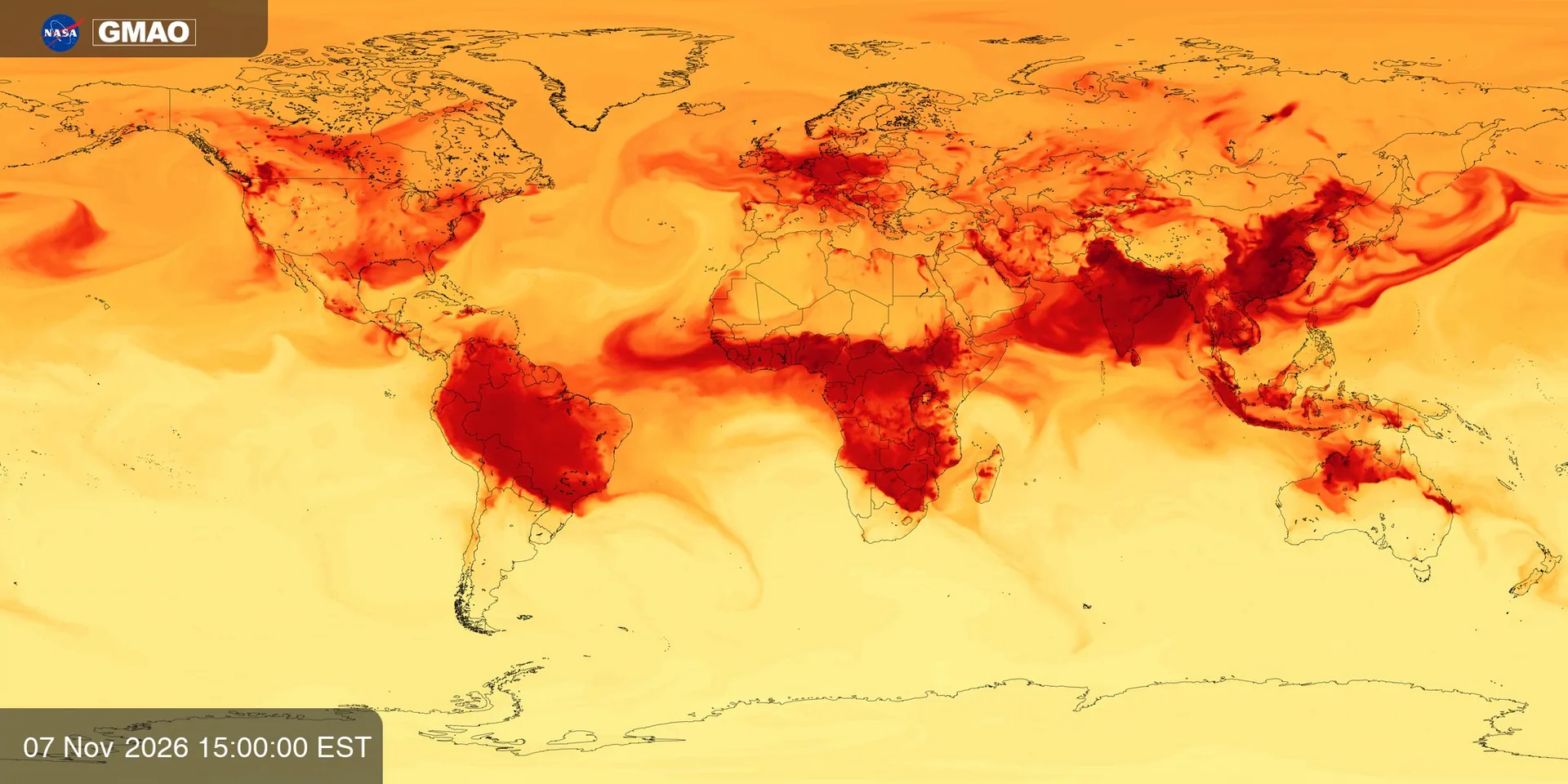
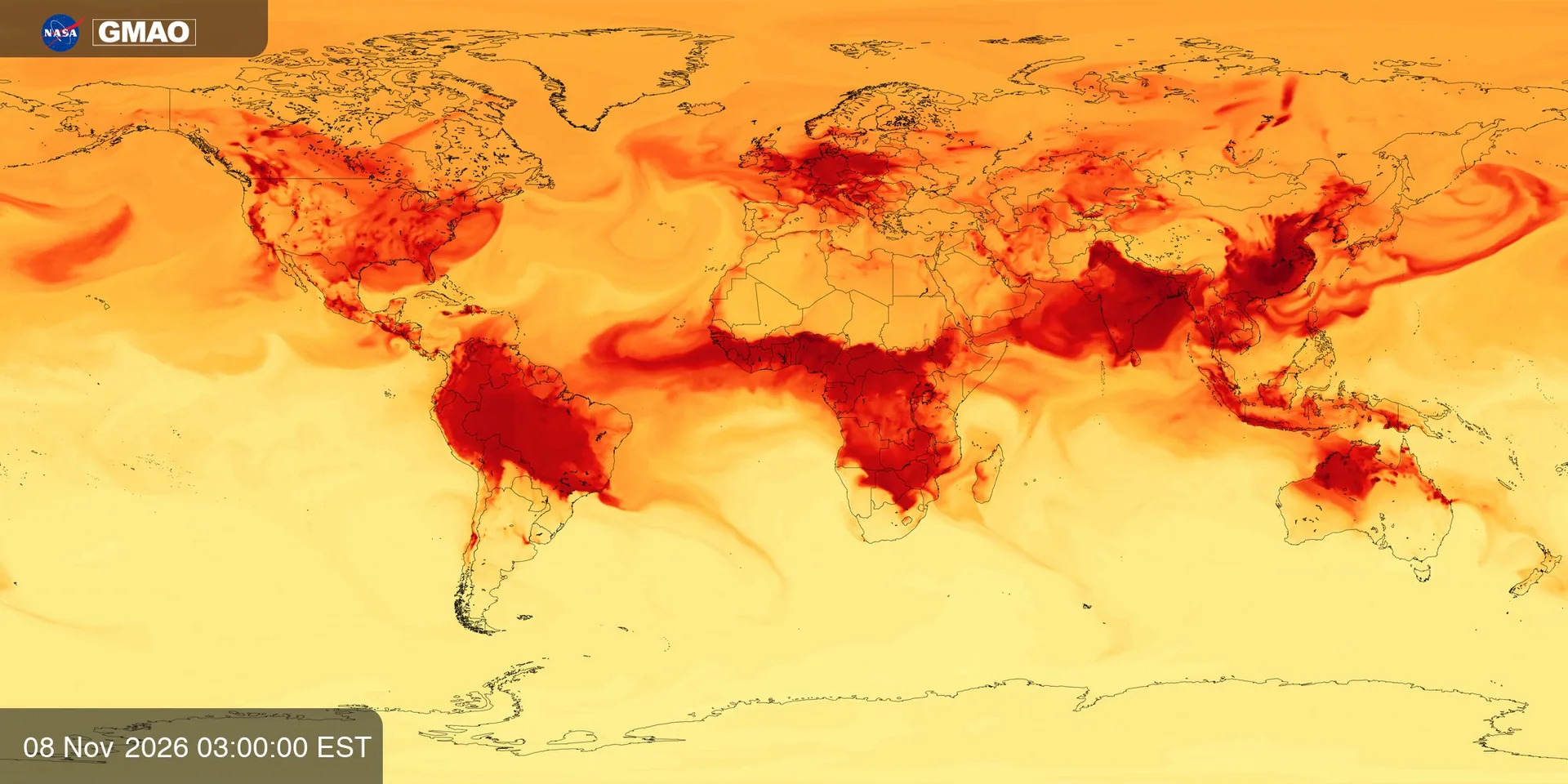
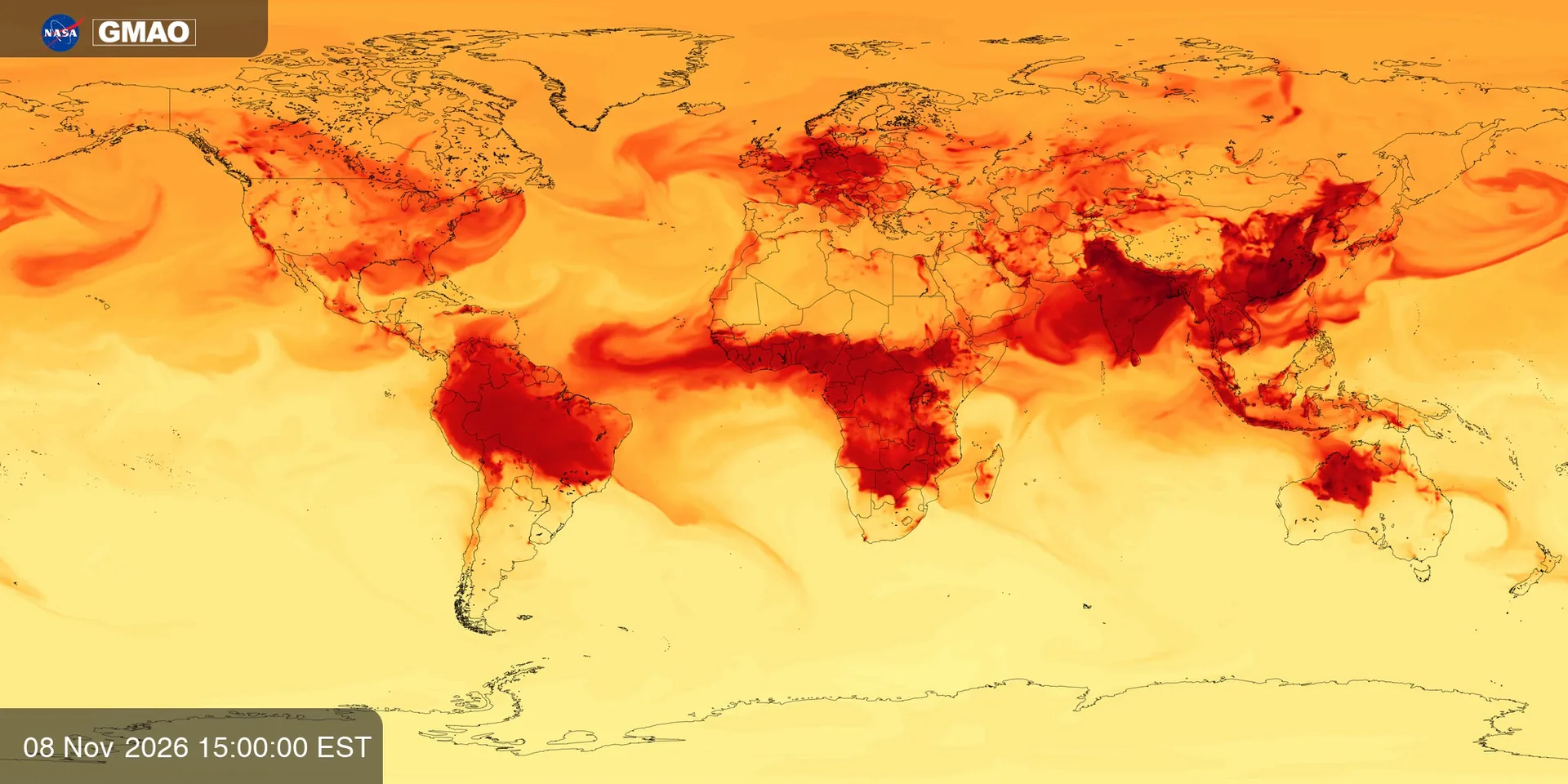
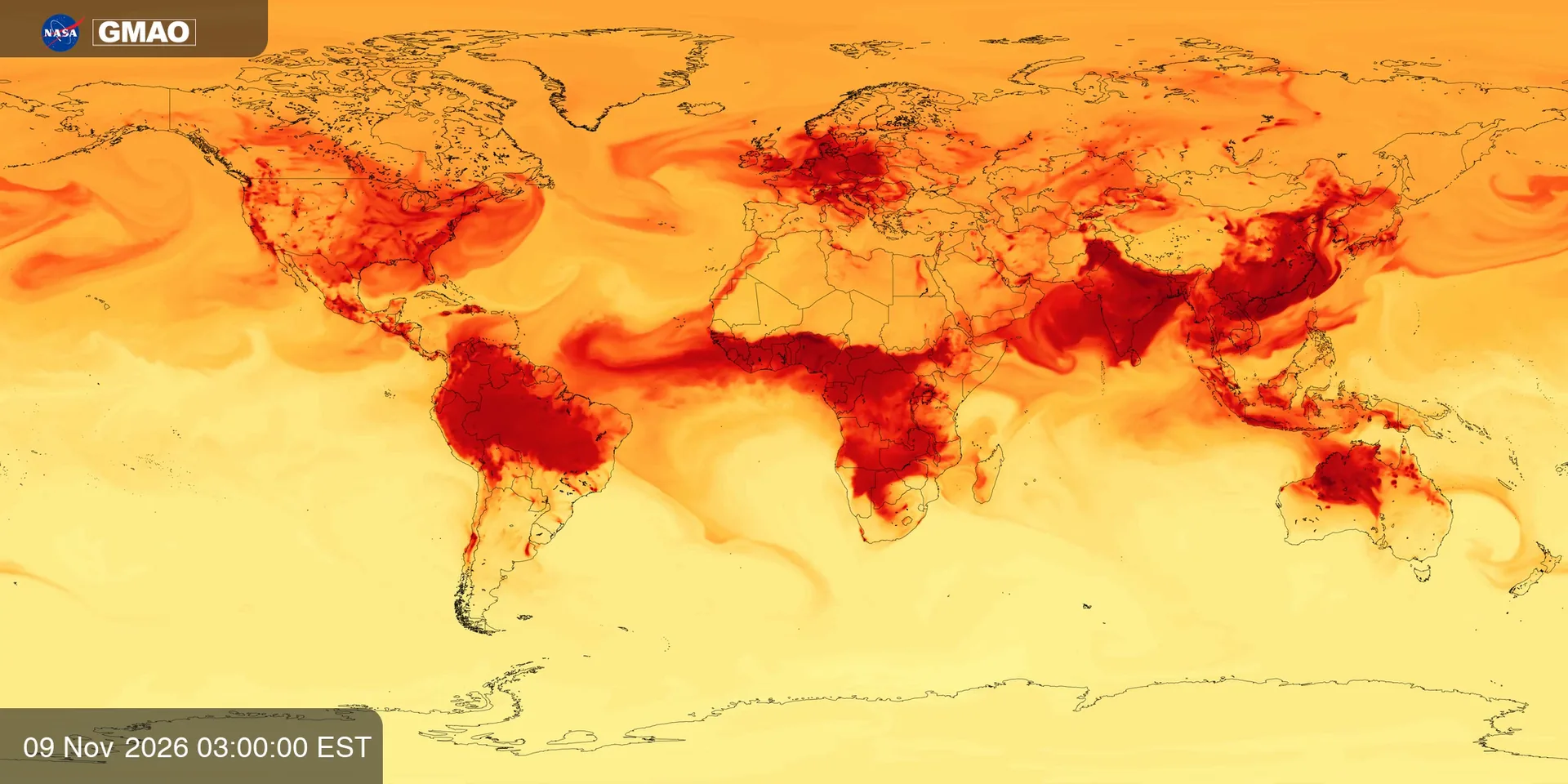
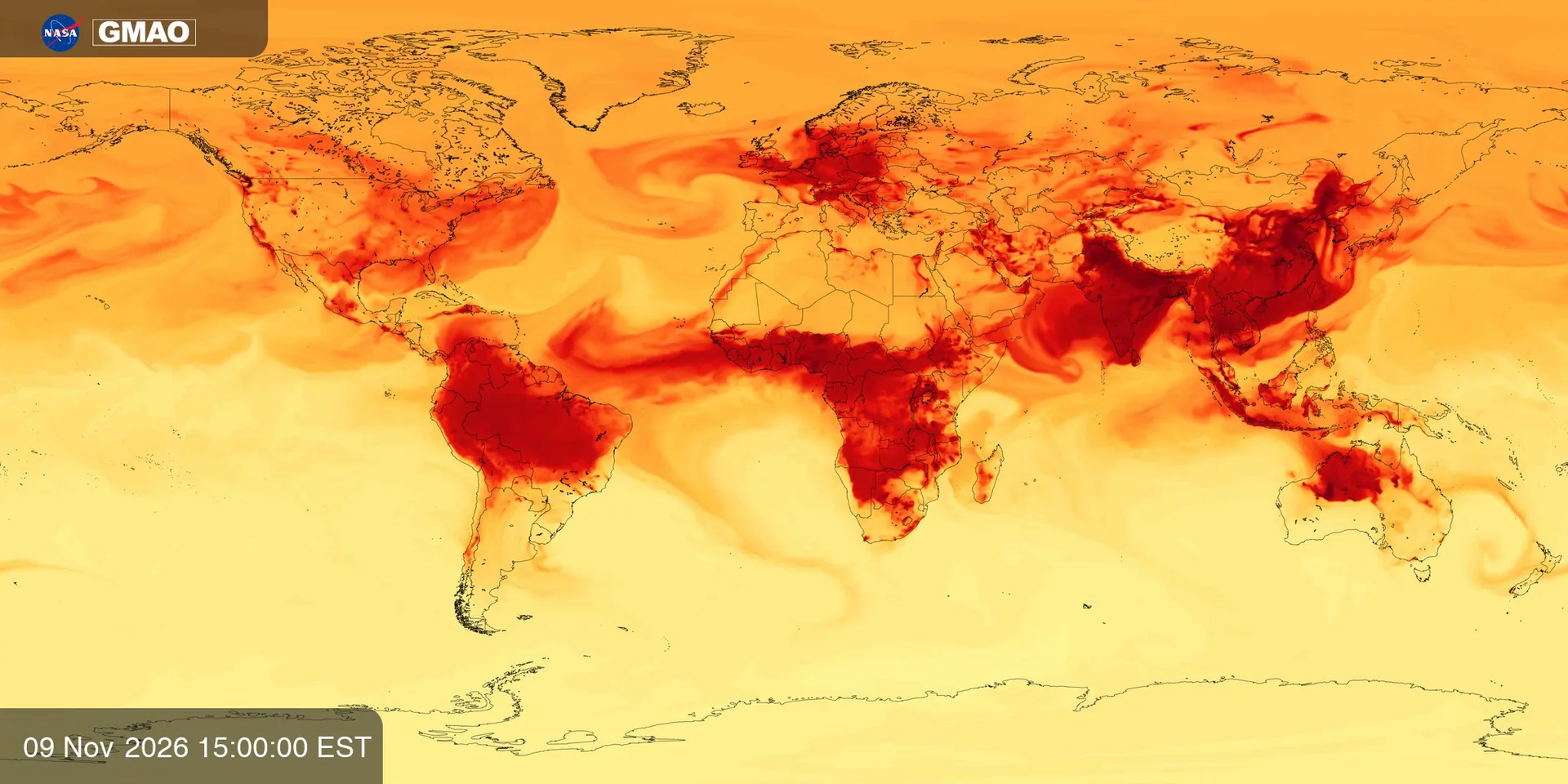
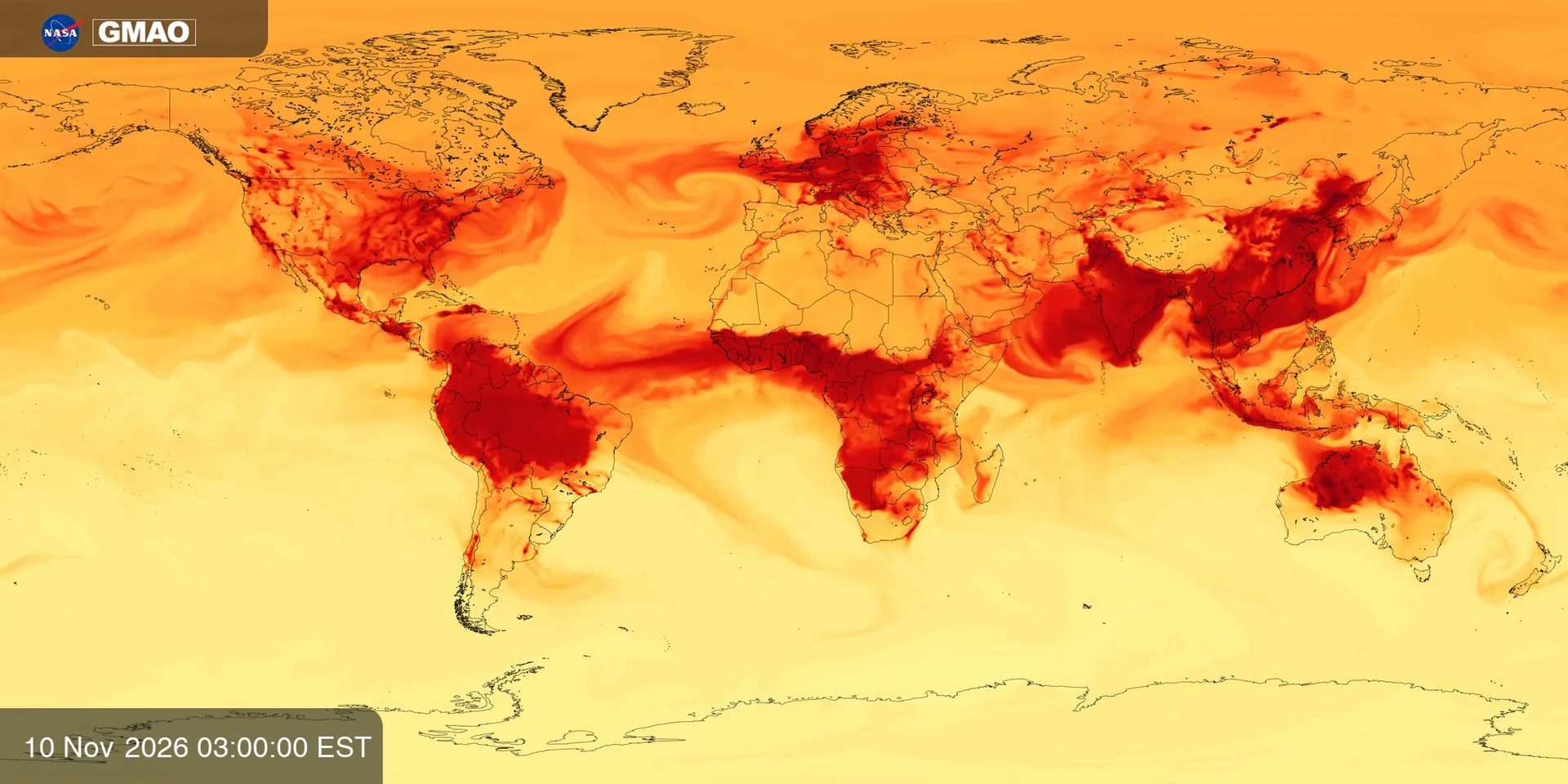
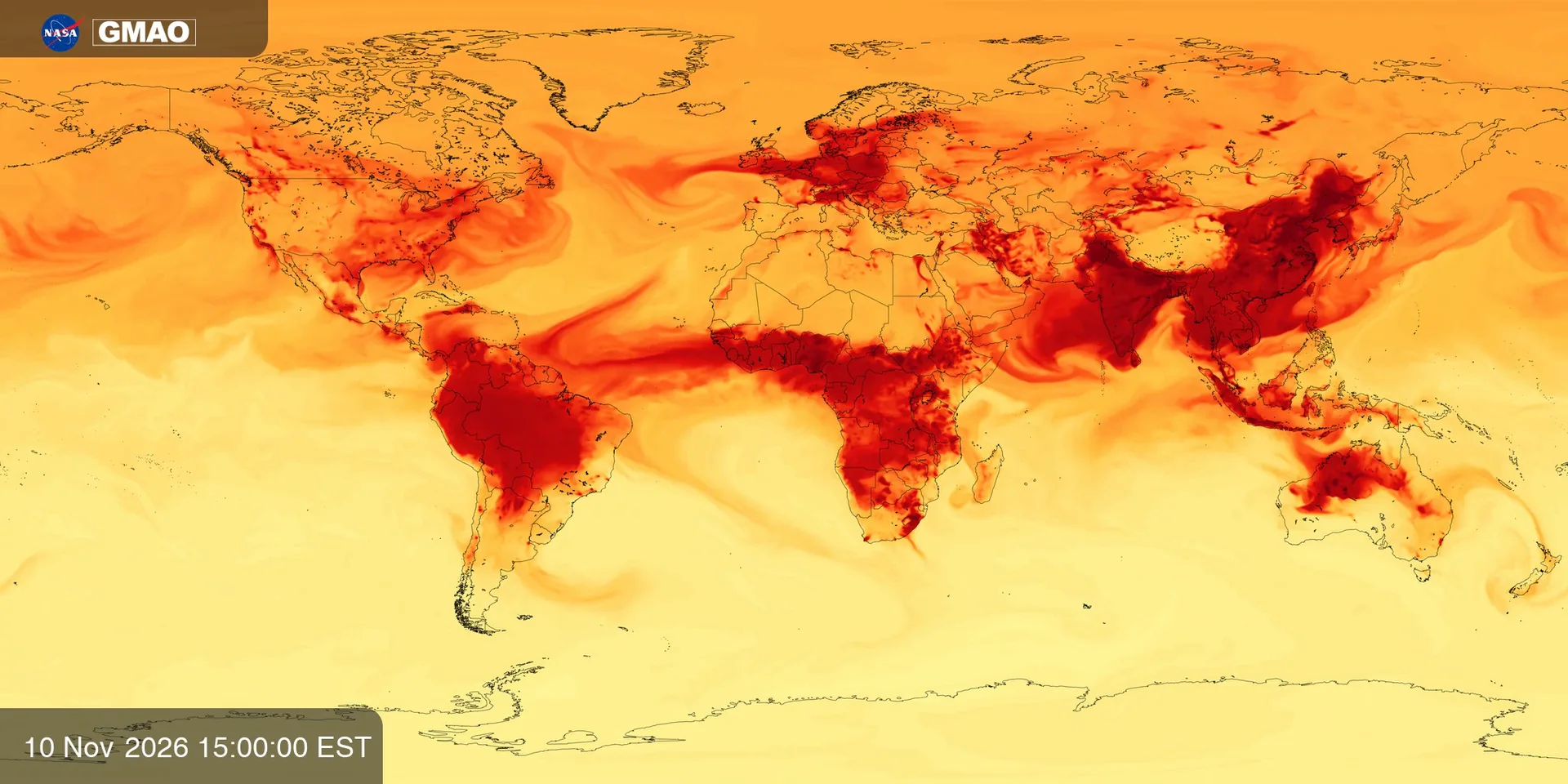
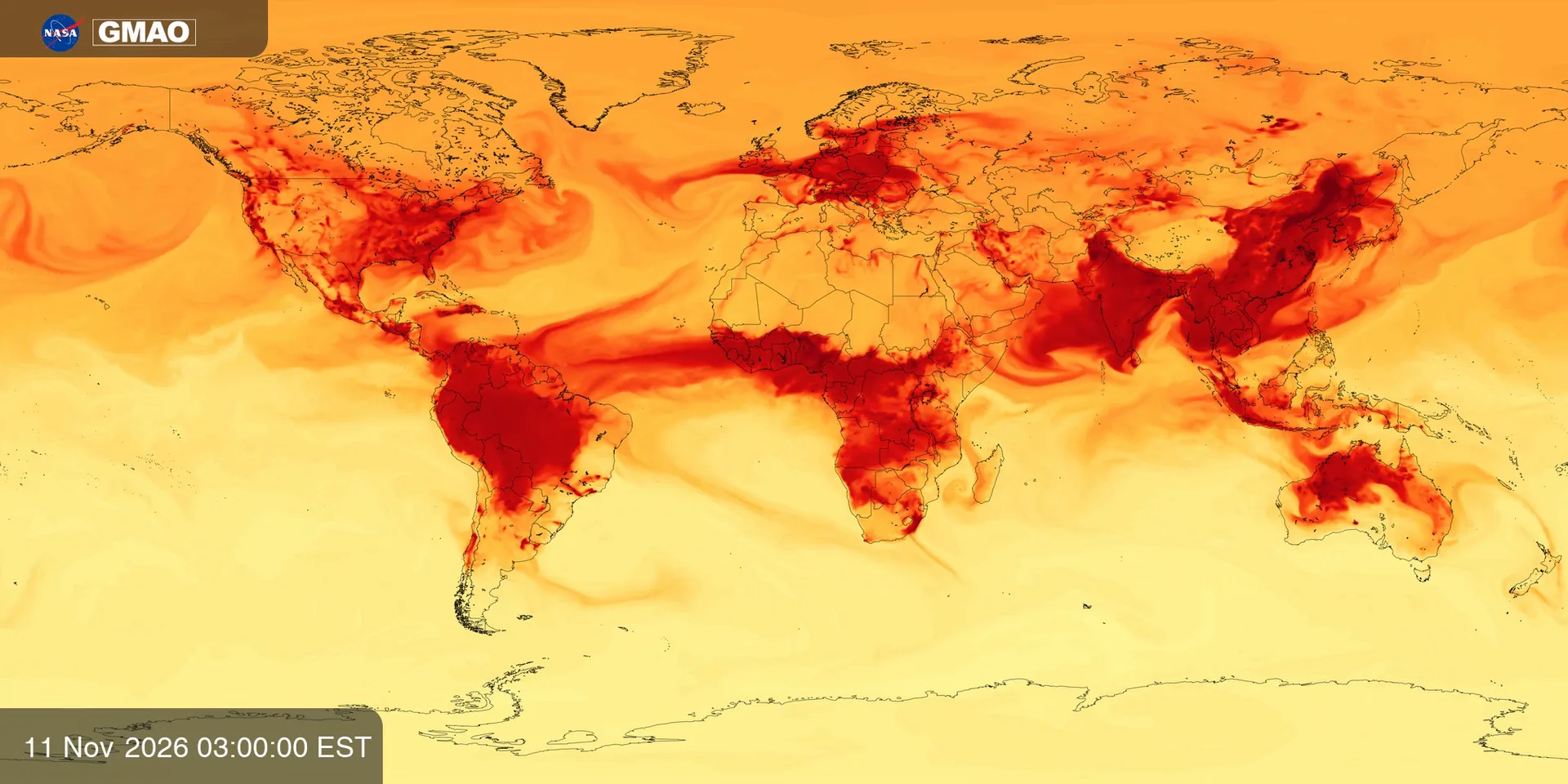
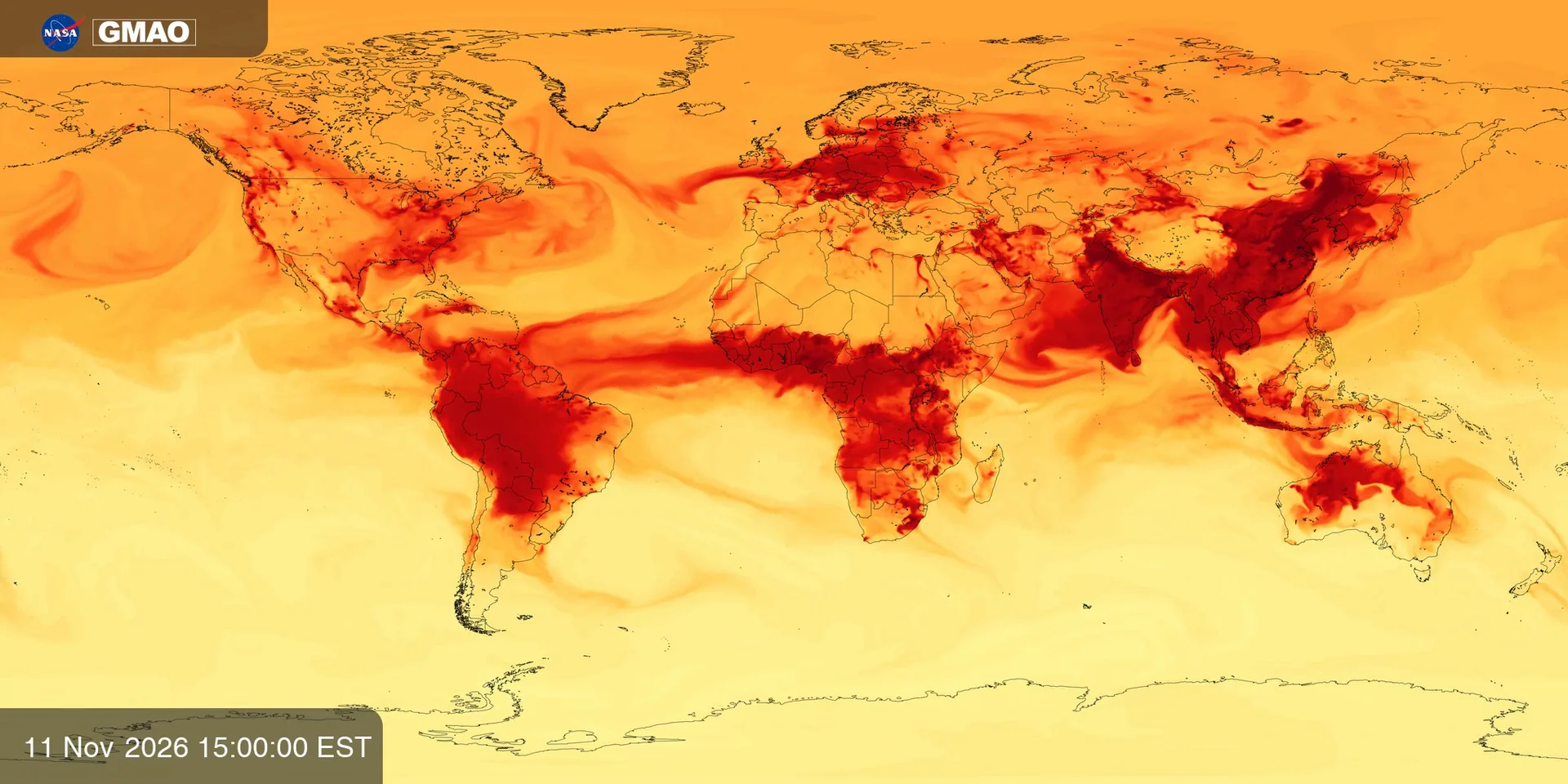
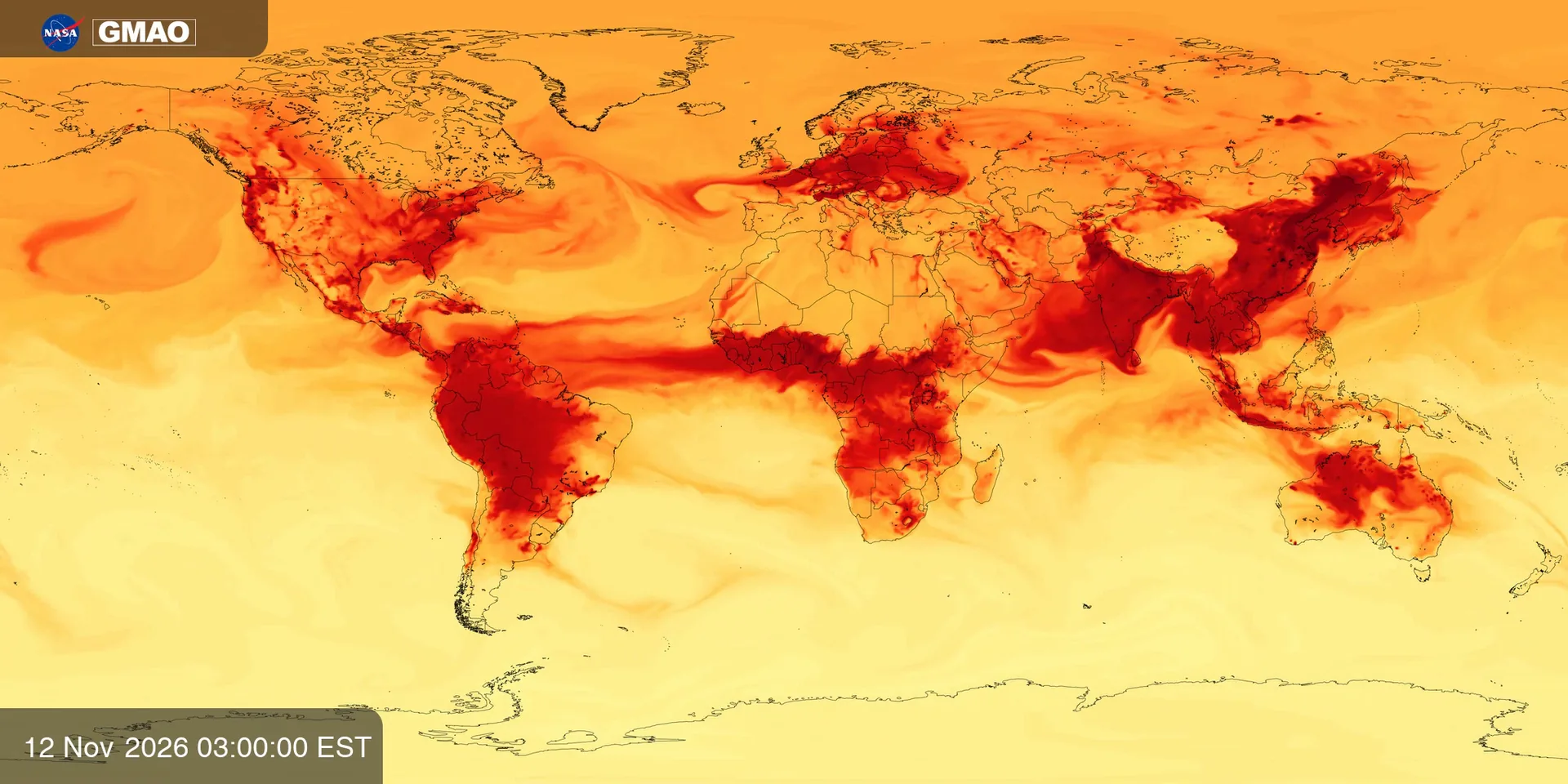
Carbon monoxide
saxello
Saxello melody over a dark didgeridoo drone that thickens with dense smoke; hand bells mark elevated carbon monoxide.
Instrument
Nitrogen oxides
xylophone
Xylophone melody over a mechanical woodblock pulse that speeds up with pollution.
Instrument
Ozone
wine glasses
Wine-glass melody; two glasses beat against each other more as ozone rises.
Instrument
Fine particles
marimba
Marimba melody over shaker grains, denser with more fine particles; a bell marks air above the WHO guideline.
Instrument
Wind
recorder
Recorder melody; a bowed psaltery swells as the wind gets stronger, with wind chimes for strong wind.
Instrument
Sea temperature anomaly
glockenspiel
Glockenspiel when the sea is cooler than normal, saxello when it is warmer.
Instrument
Ocean currents
harp
Harp melody with flowing harp arpeggios that grow with the warm water.
Instrument
CO₂ globe
organ
Organ melody over an organ chord that breathes with the seasons and gains voices as the haze thickens.
Instrument
Lightning globe
plucked psaltery
A plucked psaltery note for the flashes; timpani for bright flashes.
Instrument
Perpetual Ocean globe
marimba
Marimba melody with wind chimes that grow with the warm currents.
Made to be heard
Earth Jukebox is designed so you can explore the planet without seeing it. A voice guide can describe each frame, the map says the name of the place you click, and the radar works with the keyboard alone.
In the player
- SpacePlay / pause
- ← →Previous / next frame
- SSound on / off
- ERadar on / off: it plays the data levels around a point of the map
- DDescribe the current frame
- ClickHear the place and its value on the map
- VVoice guide on / off
- MMap voice on / off
- EscClose panels
Built for ears first
- Sound carries the data: pitch, loudness, texture and left–right position each follow a number from the image.
- Every control has a name for screen readers, and the radar announces where it is when you stop moving it.
- Silence means no data, so you can hear where the map is empty.